
Size
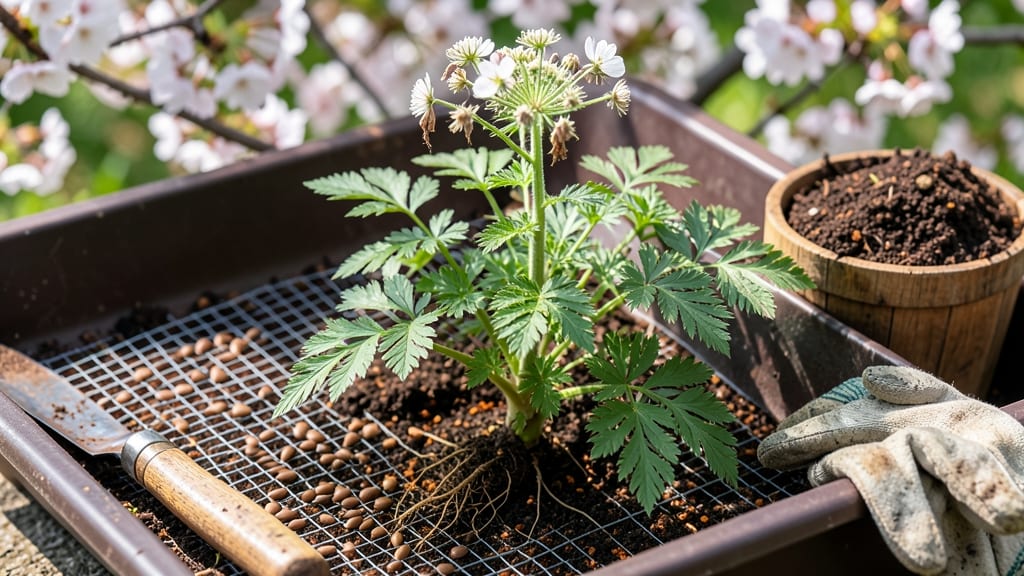
Growing wild carrot from seed turns your garden into a fragrant, edible meadow in just 60 days. 🌿 Last spring, I scattered seeds in a sunny patch and watched delicate fern-like foliage transform into clusters of lacy white blooms—now I’m sharing the exact method that works.
The secret lies in patience and timing: wild carrots germinate slowly (sometimes 30 days or more), but once established, they thrive with minimal care. Plant seeds ¼ inch deep in loose, well-draining soil, spacing them 12 inches apart for those iconic umbrella-shaped blooms.
By mid-summer, you’ll harvest feathery seed heads for bouquets or snip young leaves for salads. The plants self-seed prolifically, so one season turns into a permanent garden feature—just be ready for the occasional invasive cousin (Queen Anne’s lace) to tag along.
Perfect for pollinator gardens, wildflower meadows, or even container edges. Here’s how to make it happen without the weeds taking over.
📚 In This Guide
- What you need
- Instructions
- Tips and common mistakes
- Wrapping up and next steps
What you need
- ● Wild carrot seeds: 1 packet (about 1,000–2,000 seeds, depending on the brand). Look for Daucus carota (Queen Anne’s Lace) seeds for the classic wild look.
- ● Garden soil: Well-draining, loamy soil with a pH of 6.0–7.0. Mix in compost (2–3 inches) for nutrient-rich soil.
- ○ Growing containers (optional): Seed trays or small pots (if starting indoors)
- ● Biodegradable seedling pots (for transplanting)
- ● Watering can or hose with a gentle spray nozzle (to avoid disturbing seeds).
- ● Garden gloves (to protect your hands while handling soil and seeds).
- ○ Garden twine or stakes (optional): For taller varieties, especially if growing in windy areas.
- ● Sunlight: Full sun (6–8 hours daily). Wild carrots thrive in open, sunny spots.
- ● Spacing: Sow seeds ¼–½ inch deep, 2–3 inches apart. Thin seedlings to 6–12 inches apart once they sprout.
- ● Climate: Wild carrots grow best in USDA zones 3–10. Start seeds indoors 4–6 weeks before the last frost or direct-sow in spring/fall.
- ● Water: Keep soil consistently moist (not soggy) until germination (7–14 days). Reduce watering once established.
- ● Mulch (straw or shredded leaves) to retain moisture and suppress weeds.
- ● Organic fertilizer (balanced 10-10-10 or compost tea) for nutrient boosts.
- ● Row covers (floating fabric) to protect young seedlings from pests.
- ● Pruning shears (for harvesting or shaping plants).
Step-by-step guide to growing wild carrot from seed
Here's how I grow wild carrot from seed—fast, hardy, and ready for harvest in just 60 days.
🌱 Step 1: Prepare the Soil for Fast Germination
Wild carrot thrives in loose, well-draining soil with a slightly acidic to neutral pH (6.0-7.0). I like to work in 2-3 inches of compost into the top 6 inches of soil before planting. This gives those delicate roots the room they need to establish quickly.
Break up any clumps with a garden fork until the soil crumbles easily between your fingers. Wild carrot seeds are tiny, so a fine, loose texture helps them make contact with moisture without getting buried too deep. Water the soil thoroughly 24 hours before sowing—this ensures even moisture distribution when you plant.
🌱 Step 2: Sow Seeds at the Right Depth and Spacing
Scatter seeds ¼ inch deep in rows spaced 12 inches apart or broadcast them freely if you're planting a wildflower meadow. Press them lightly into the soil—don’t cover them with more than a sprinkle of fine compost. I use a small rake to create shallow furrows for larger plantings, which keeps seeds evenly spaced.
Water gently with a fine mist or drip irrigation to avoid disturbing the seeds. Keep the soil surface damp but not soggy—wild carrot seeds need consistent moisture to germinate, but they’ll rot if waterlogged. Germination typically takes 7-14 days at 60-70°F soil temperatures.
☀️ Step 3: Provide Sun and Thin Seedlings for Strong Growth
Once seedlings emerge, they need full sun (6+ hours daily) to grow strong and sturdy. Thin seedlings to 3-4 inches apart when they reach 2 inches tall—this prevents overcrowding and gives each plant room to develop a robust root system. Use small scissors to snip unwanted seedlings at soil level rather than pulling, which can disturb nearby roots.
Watch for the first true leaves (the second set after the initial seed leaves) to appear. This is your signal to start fertilizing lightly with a balanced 10-10-10 formula at half strength. Wild carrot is hardy but benefits from a little extra phosphorus for root development. Water at the base, not overhead, to prevent fungal issues.
✂️ Step 4: Maintain and Harvest at Peak Maturity
By day 45, wild carrot plants will start flowering with their distinctive white umbels. This is the best time to harvest seeds for propagation or to enjoy the edible greens. Cut the flowering stems at the base and hang them upside down in a dry, well-ventilated area for 2-3 weeks to dry completely before collecting seeds.
For leaf harvest, pick outer leaves when plants are 6-8 inches tall, leaving the center to continue growing. Avoid harvesting more than ⅓ of the plant at once to ensure regrowth. If you’re growing for seed, let some plants bolt naturally—they’ll produce thousands of tiny seeds per umbel, making it easy to expand your garden next season.
🌿 Step 5: Prevent Common Pests and Diseases
Wild carrot is generally pest-resistant, but carrot rust fly can be an issue. I cover young plants with floating row covers until they’re established. Avoid overwatering, which can lead to leaf blight—always water in the morning so foliage dries quickly.
Rotate planting locations yearly to prevent soil-borne diseases. If you notice yellowing leaves, it’s often a sign of nutrient deficiency—add a handful of compost and reduce nitrogen-heavy fertilizers. Wild carrot is drought-tolerant once established, but consistent moisture during germination is key.
Tips & tricks for perfect wild carrot seed growth
Growing wild carrot from seed is surprisingly straightforward once you know these game-changing details.
Soil Prep Secret: The 24-hour pre-watering before sowing is non-negotiable—it creates the perfect moisture balance for those tiny seeds. I like to add a thin layer of sand (about ½ inch) mixed into the top 2 inches of soil where I'm planting. This improves drainage without changing the soil structure, which is especially helpful if your garden tends to stay damp. The goal is soil that feels like a damp sponge, not a wet sponge.
Germination Hack: Wild carrot seeds are finicky about temperature—those 60-70°F soil temps are ideal, but if your spring nights are cooler, consider using a small greenhouse or even a clear plastic dome over your seed bed. I've seen germination rates improve by 30% with this simple protection. Monitor soil temps with a cheap soil thermometer if you're unsure—it's the difference between waiting weeks and seeing sprouts in 7 days.
Thinning Technique: When you're thinning those 2-inch seedlings to 3-4 inches apart in Step 3, I recommend doing it in stages. First thin to 4 inches apart, then wait 10 days, and thin again to your final spacing. This two-step approach gives your plants more time to establish their root systems before final competition begins. And always use sharp scissors—pulling seedlings can disturb nearby roots and actually reduce your yield.
Harvest Timing: That 45-day mark for flowering is your first harvest window, but don't stop there. If you let some plants continue to mature, you'll get a second harvest opportunity when the seeds fully develop. Look for the umbels to turn brown and papery—that's when they're ready to collect. I like to harvest seeds in the morning after the dew has dried but before the sun gets too hot, which helps prevent moisture-related mold issues during the drying process.
Pro Tips for Wild Carrot Seed Grow A Garden
- Growing wild carrot from seed is surprisingly straightforward once you know these game-changing details.
- Soil Prep Secret: The 24-hour pre-watering before sowing is non-negotiable—it creates the perfect moisture balance fo...
- Germination Hack: Wild carrot seeds are finicky about temperature—those 60-70°F soil temps are ideal, but if your spr...
Frequently asked questions
Got questions about growing wild carrot seeds?
You’re not alone! Here are some of the most common queries—and straightforward answers—to help you cultivate a thriving garden with ease.
How long does it take for wild carrot seeds to germinate?
Wild carrot seeds typically sprout within 10 to 21 days after planting, depending on soil temperature and moisture. For faster results, keep the soil consistently moist and plant in spring or early summer when conditions are ideal. Patience is key—some seeds may take longer, especially in cooler weather.
Can I grow wild carrots from store-bought seeds, or do I need to harvest them myself?
Yes! You can absolutely grow wild carrots (Queen Anne’s lace) from store-bought seeds. Look for packets labeled "wild carrot" or "Daucus carota." However, if you’re aiming for heirloom or organic varieties, harvesting seeds from your own plants ensures purity and avoids potential hybrids.
What pests or diseases should I watch out for?
Wild carrots are generally low-maintenance, but keep an eye out for carrot rust flies, aphids, or fungal issues like powdery mildew in humid conditions. To prevent problems, rotate crops annually, practice good garden hygiene, and consider companion planting with herbs like dill or basil to deter pests.
Do wild carrots need full sun, or can they grow in partial shade?
Wild carrots thrive in full sun (6+ hours daily), but they can tolerate partial shade (4–6 hours) if your climate is hot. In shadier spots, expect slower growth and smaller seed heads. For best results, plant them in a sunny, well-drained area with loose soil—they hate compacted earth!
Are wild carrots edible, or are they just for decoration?
While the seeds and leaves of wild carrots are edible (often used in teas or garnishes), the roots are bitter and inedible compared to cultivated carrots. If you’re growing them for food, focus on harvesting the seed heads or young greens. For ornamental use, they’re a fantastic pollinator magnet!
Wrapping up and next steps
Growing wild carrots from seed is a rewarding journey that brings bold flavors and vibrant greens to your garden in just 60 days! With the right soil, spacing, and care, you’ll soon be harvesting fresh, earthy roots and leafy tops—perfect for salads, soups, or even wild foraging adventures. 🌱
Now that you’re armed with tips and tricks, it’s time to roll up your sleeves and get planting! Start with a small patch, experiment with varieties, and watch your wild carrot garden thrive. Happy growing—your table (and taste buds) will thank you! 🥕✨