
Flowers
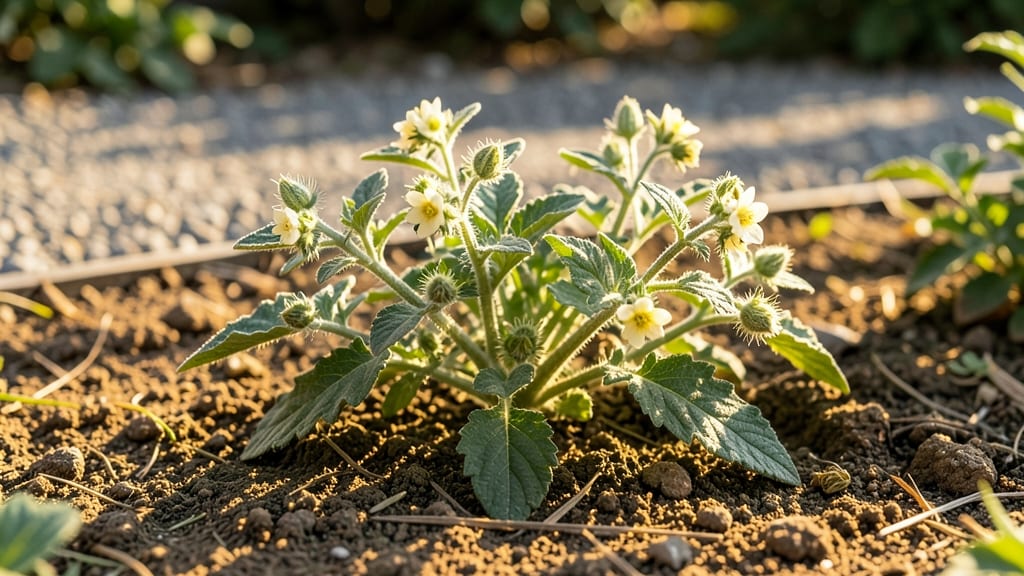
Growing Virginia stickseed means embracing the beauty of wildflower meadows that require no maintenance—just sunlight, patience, and a little space. 🌿 This native wildflower thrives in sunny spots with dry soil, making it perfect for meadows, borders, or even between stepping stones.
Unlike fussy annuals, it self-seeds happily, creating a natural tapestry of delicate white flowers and feathery seed heads that birds adore. The secret to success lies in its low-water needs—overwatering is the only way to kill it.
Plant seeds in late spring or early summer when soil temperatures warm up, lightly pressing them into well-drained soil. They’ll pop up in weeks, and by summer’s end, you’ll have a cloud of airy blooms that sway in the breeze.
Once established, Virginia stickseed spreads effortlessly, filling gaps and outcompeting weeds. The feathery seed heads add texture to winter gardens, and bees love the nectar. It’s the kind of plant that makes gardening feel effortless—just plant and let nature take over.
This wildflower is a pollinator magnet and drought-tolerant once rooted, making it ideal for eco-friendly gardens. Perfect for beginners or busy gardeners who want beauty without the work!
📚 In This Guide
- What you need
- Instructions
- Tips and common mistakes
- Wrapping up and next steps
What you need
- ● Virginia Stickseed Seeds: 1–2 oz (28–57g) per 100 sq ft of meadow space (adjust for larger areas).
- ● Pro tip: Buy from reputable wildflower seed suppliers for high viability! 🌡️
- ● Soil: Well-draining, slightly sandy or loamy soil (pH 6.0–7.5).
- ● No need for fertilizers—Virginia Stickseed thrives in poor soil! ✨
- ● Sunlight: Full sun (6+ hours daily) for optimal growth.
- ● Water: Natural rainfall is ideal; minimal irrigation needed after planting.
- ● A broadcast spreader for even seed distribution.
- ● A rake to lightly scratch the soil (1/4 inch deep).
- ● Gloves (to protect hands from prickly stems).
- ○ Mulch or straw (optional, to retain moisture in dry climates).
- ● Choose a sunny, open area with minimal competition from grasses or weeds.
- ● Test your soil’s drainage—Virginia Stickseed hates soggy roots! 💡
- ● Plan for low-maintenance upkeep (no trimming needed until late fall).
How to create a low-maintenance Virginia stickseed meadow
Here's the easy way to bring this drought-tolerant beauty to your landscape with minimal effort.
🌱 Step 1: Choose Your Planting Site
Virginia stickseed thrives in full sun to partial shade—at least 6 hours of sunlight daily for best results. I always scout locations in late afternoon when shadows are longest to find the perfect balance. Avoid low spots where water pools after rain, as these flowers hate soggy roots.
Test your soil by squeezing a handful—if it crumbles easily, it's perfect. If it sticks together, amend with 2-3 inches of compost spread over the area. This improves drainage while adding nutrients the plants will appreciate. Mark the boundaries with stakes if your meadow will be larger than 4 feet by 4 feet—it helps visualize the space before digging.
🪴 Step 2: Prepare the Soil
Remove any existing grass or weeds by hand or with a hoe—Virginia stickseed competes poorly with established vegetation. Loosen the top 4-6 inches of soil with a garden fork, breaking up compacted layers. This encourages roots to penetrate deeply, which is key for drought survival.
Spread a ¼-inch layer of compost over the prepared area and lightly rake it in. Avoid heavy fertilizers—they promote lush foliage that attracts deer and deters flowering. Water the soil until it's moist 2 inches deep, then wait 2-3 days until it's slightly dry before planting. This prevents seed washout during germination.
🌿 Step 3: Plant the Seeds
Scatter seeds thinly—aim for 10-15 seeds per square foot—since Virginia stickseed self-seeds generously. I like to mix them with a handful of sand first to ensure even distribution. Press seeds lightly into the soil with your fingers or the back of a rake, just enough to cover them with ¼ inch of soil.
Water gently with a sprinkler set to a fine mist until the soil surface looks uniformly damp. Avoid heavy watering that would bury seeds too deep. Place a small marker at one corner to remember where you planted—you'll forget which areas you've already seeded after a few hours of spreading.
☀️ Step 4: Maintain Through Establishment
Water once weekly for the first 4-6 weeks to keep the soil lightly moist, then reduce to every 2 weeks once seedlings appear. You'll see tiny green sprouts in 2-3 weeks—they look like miniature clover leaves. After that, water only when the top 1 inch of soil feels dry to the touch.
Let the meadow grow wild after establishment—Virginia stickseed thrives with zero maintenance. If weeds become competitive, spot-treat with a hoe in early spring before the flowers emerge. Mow the area once annually in late fall to remove dead foliage and encourage fresh growth in spring.
⏰ Step 5: Enjoy Year-Round Interest
Stickseed flowers bloom from mid-summer through fall, but their seed heads remain attractive through winter. The sticky seed pods (which give the plant its name) cling to clothing and animal fur, ensuring natural spread. By the second year, your meadow will self-sow abundantly, filling in any bare spots automatically.
Divide clumps every 3-4 years in early spring by digging up sections and replanting them elsewhere. This keeps the meadow vigorous without requiring additional seeds. The more you let it grow naturally, the more it rewards you with effortless beauty.
Tips & tricks for perfect Virginia stickseed meadows
Here's what nobody tells you about making this drought-resistant beauty truly shine.
Sunlight Secret: While Virginia stickseed thrives on at least 6 hours of sunlight, I've found the sweet spot is actually 8-10 hours daily for the most prolific blooms. In Step 1, scout your site in late afternoon when shadows are shortest—this gives you the most accurate reading of actual sunlight hours. If you're between full sun and partial shade, lean toward the sunnier option for better flowering.
Soil Prep Game-Changer: In Step 2, that 4-6 inch soil loosening is critical, but don't stop there. After breaking up the soil, use the back of your rake to create a fine, crumbly texture—almost like cake crumbs. This helps the Virginia stickseed's shallow roots establish quickly. The compost layer should be just a sprinkle (¼-inch) rather than a thick blanket, as these plants prefer lean soil that won't smother their delicate roots.
Planting Precision: When scattering those 10-15 seeds per square foot in Step 3, think "dusting" rather than "sprinkling." I use a simple trick: pour seeds onto a white plate first, then shake them through my fingers as I walk the area. This gives you perfect control over spacing. The sand mixing technique works wonders for even distribution—just be sure to shake the mixture well before planting to avoid clumping.
Watering Wisdom: The 2-3 day drying period before planting in Step 2 is non-negotiable, but here's the secret: after planting, water deeply but slowly. Use a gentle rain setting on your hose or watering can to avoid disturbing the seeds. The goal is to moisten the soil to 2 inches deep without creating puddles. Once established, let the soil dry completely between waterings—Virginia stickseed's drought tolerance kicks in after those first 6 weeks.
Pro Tips for Virginia Stickseed Flower
- Here's what nobody tells you about making this drought-resistant beauty truly shine.
- Sunlight Secret: While Virginia stickseed thrives on at least 6 hours of sunlight, I've found the sweet spot is actua...
- Soil Prep Game-Changer: In Step 2, that 4-6 inch soil loosening is critical, but don't stop there. After breaking up ...
Frequently asked questions
Is Virginia stickseed really low-maintenance?
Absolutely!
This wildflower thrives in any soil—sandy, rocky, or clay—with minimal water once established. It’s drought-tolerant and even handles poor conditions better than many perennials. Just plant it and forget it!
How long does it take to bloom?
Expect the first blooms 1–2 years after planting, though some seeds may sprout and flower in their first year. The stickseed name comes from its unique seed pods that cling to fur or clothing—great for natural seed dispersal!
Can I grow Virginia stickseed in containers?
Yes! While it’s a ground cover, it works well in large, shallow containers (12+ inches deep) with well-draining soil. Just ensure the pot has drainage holes to prevent rot. Bonus: It’s a great pollinator magnet!
What’s the best way to remove spent blooms?
Skip deadheading! Let the seed pods dry and scatter naturally—they self-seed easily, creating a self-sustaining meadow. If you prefer tidier looks, snip faded flowers at the base in late summer.
Does Virginia stickseed survive winter?
This hardy perennial handles USDA Zones 3–9 and thrives in cold climates. Its basal rosettes stay green year-round in mild winters, while snow cover protects it in colder areas. No extra care needed!
Wrapping up and next steps
The Virginia stickseed flower is nature’s low-maintenance gem—perfect for transforming your yard into a vibrant, pollinator-friendly haven with almost no effort! 🌿 Its hardy nature, drought tolerance, and stunning blooms make it a dream for gardeners of all levels.
Whether you’re a seasoned green thumb or just starting, this wildflower is your ticket to effortless beauty.
Ready to dive in? Grab your seeds, pick a sunny spot, and let nature do the rest—your future meadow (and bees!) will thank you. Start small, dream big, and watch your garden flourish! 🌸