
Orchid Care
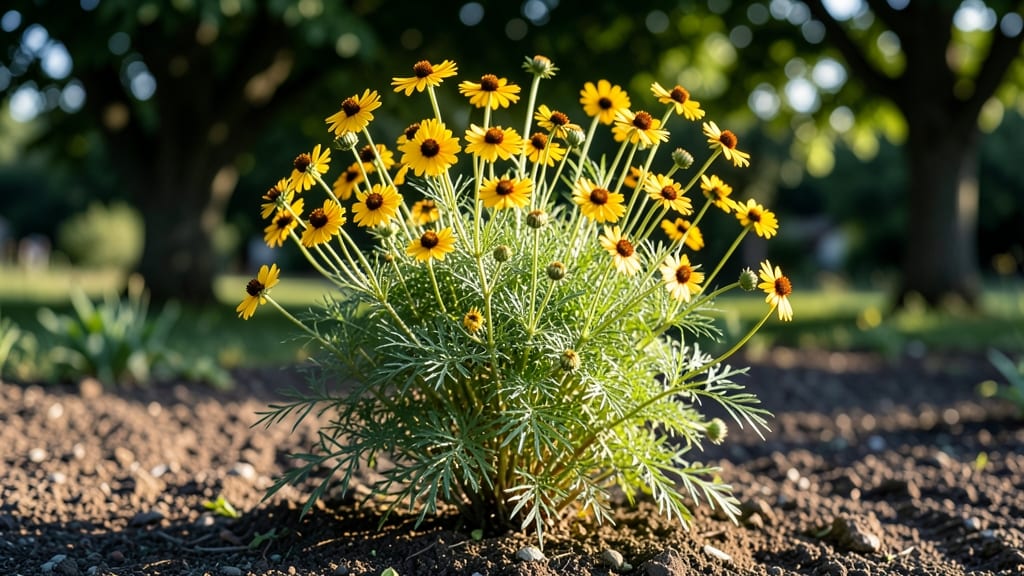
Tickseed coreopsis care thrives on neglect—bright, cheery blooms that refuse to quit even when you forget about them. 🌻 I’ve grown this plant for years, and it’s the perfect choice for gardeners who want color without the fuss. The secret lies in its love of sun, its drought tolerance, and its ability to bounce back from almost anything. This plant demands full sun (at least 6 hours daily) and well-draining soil—rocky or sandy works best. Water it only when the top inch of soil feels dry, and you’ll never overwater it. Deadheading spent blooms encourages more flowers, but even if you skip that step, it’ll keep blooming until frost. By midsummer, you’ll have a nonstop show of golden-yellow flowers that attract pollinators. The foliage stays tidy, and pests rarely bother it. It’s the kind of plant that makes gardening feel effortless. Works in borders, containers, or wildflower meadows—just give it space to sprawl. Here’s how to keep it thriving all season long.
📚 In This Guide
- What you need
- Instructions
- Tips and common mistakes
- Wrapping up and next steps
What you need
- ● Tickseed Coreopsis plants: 3–5 nursery-grown plants (choose varieties like 'Moonbeam' or 'Zagreb' for vibrant blooms).
- ● Well-draining soil: 1–2 cubic yards of light, sandy loam (amend heavy soil with perlite or coarse sand).
- ● Sunlight access: A full-sun location (6+ hours of direct sunlight daily).
- ● Watering can or hose: With a gentle spray nozzle for even moisture.
- ● Organic mulch: 2–3 inches of pine straw or shredded bark to retain moisture and suppress weeds.
- ○ Fertilizer (optional but helpful): Balanced 10-10-10 granular fertilizer (1 tbsp per plant, applied once in spring).
- ● OR slow-release rose/flower fertilizer (follow package rates).
- ● Garden gloves: To protect hands while handling soil or pruning.
- ● Pruning shears: Sharp, sterilized shears for deadheading (or a clean knife in a pinch).
- ● Containers (if potted): 1–2 gallon pots with drainage holes (use terracotta or fabric grow bags for best results).
- ● Drought shield: A lightweight shade cloth (10–20%) for seedlings in scorching climates.
- ● Compost or worm castings: 1 cup per plant to boost soil health (mix into top 2 inches of soil).
Step-by-step guide to growing thriving tickseed coreopsis
Here's how I keep these sun-loving perennials blooming year after year with minimal effort.
🌱 Step 1: Select the Perfect Planting Location
Tickseed coreopsis thrives in full sun—at least 6-8 hours daily. I always choose the sunniest spot in my garden because these plants reward generous light with nonstop blooms. The soil should drain quickly; they despise soggy roots. Amend heavy clay with 2-3 inches of compost to improve drainage and fertility.
Dig a hole slightly wider than the root ball but no deeper. The crown (where roots meet stems) should sit just below soil level. Planting too deep suffocates the plant, while too shallow exposes roots to drying winds. Water deeply after planting to settle the soil around roots.
☀️ Step 2: Water Deeply but Infrequently
Once established, tickseed coreopsis is famously drought-tolerant. Water deeply once a week during dry spells—soak the soil to 12 inches deep—then let it dry completely between waterings. Overwatering causes root rot and weak stems that flop under their own weight.
You'll know you've got the balance right when leaves stay crisp and upright. Wilting or yellowing signals either underwatering or overwatering. Mulch with 2 inches of organic mulch to retain moisture and suppress weeds, but keep it 2 inches away from stems to prevent rot.
✂️ Step 3: Deadhead and Prune for Continuous Blooms
Regular deadheading extends the blooming season dramatically. Snip spent flowers back to the first set of healthy leaves using clean, sharp pruners. I do this every 10-14 days throughout the growing season. This prevents seed formation and redirects energy into new blooms.
In early spring, cut back last year's growth by one-third to encourage fresh, vigorous new shoots. Avoid heavy pruning in fall—this perennial needs its foliage to photosynthesize through mild winters. If your plant looks leggy, a light trim mid-season keeps it compact and bushy.
🌿 Step 4: Fertilize Lightly for Optimal Growth
Tickseed coreopsis doesn't demand rich soil, but a balanced 10-10-10 fertilizer in early spring gives it a gentle boost. Apply ½ teaspoon per plant and water thoroughly to distribute. Too much fertilizer produces lush foliage at the expense of flowers—these plants bloom best when slightly hungry.
I skip summer fertilizing entirely. The heat stresses plants, and coreopsis prefers to focus on flowering rather than leaf growth. If your plant shows signs of nutrient deficiency (yellowing leaves), a light top-dressing of compost in early spring is all it needs.
⏰ Step 5: Prepare for Winter Dormancy
In fall, stop fertilizing and reduce watering as temperatures drop. Coreopsis enters dormancy naturally, but a 2-inch layer of mulch protects roots from freezing. I use straw or shredded leaves—avoid dense mulch that smothers stems.
Prune back any dead or damaged growth in late winter, but leave the bulk of the plant intact. New shoots emerge quickly in spring, and coreopsis handles cold well. If your region experiences harsh winters, a light layer of burlap over the crown adds extra protection without suffocating the plant.
Tips & tricks for perfect tickseed coreopsis care
Took me years to master these sun-loving perennials—here's what nobody tells you about keeping them thriving with almost no effort.
Location is Everything: While the instructions mention full sun, I can't stress enough how critical this is. These plants will tolerate 6-8 hours of direct sun daily, but if you're in a hot climate, afternoon shade helps prevent leaf scorch. I've seen coreopsis in partial shade still bloom, but the flowers are smaller and less vibrant. The secret? Plant them where they'll get morning sun and afternoon shade if your summers are intense.
Watering Wisdom: The once-a-week deep watering is spot-on, but here's the trick: use a soil probe to check moisture levels. Push it down to 12 inches—if it comes out dry, water again. I've caught many gardeners overwatering because they assume "deep watering" means a quick sprinkle. These plants need their roots to dry completely between waterings to prevent rot. A drip irrigation system set on a timer works perfectly for consistent moisture without overdoing it.
Deadheading Done Right: When you're snipping those spent blooms every 10-14 days, don't just cut at the base—always trim back to the first set of healthy leaves. This encourages bushier growth and prevents the plant from putting energy into seed production. I use clean pruners and sterilize them with rubbing alcohol between cuts to prevent disease spread. Pro tip: Deadhead in the morning when flowers are fully open and dew is still present—this gives you the clearest view of where to cut.
Fertilizer Finesse: That ½ teaspoon of 10-10-10 fertilizer per plant is perfect, but timing matters. Apply it in early spring when new growth emerges, not in summer when the plant is focused on flowering. Too much nitrogen in summer leads to leafy growth at the expense of those cheerful blooms we all love. I've also found that a slow-release fertilizer pellet works wonders—just sprinkle a few around the base in spring and forget about it.
Pro Tips for Tickseed Coreopsis Care
- Took me years to master these sun-loving perennials—here's what nobody tells you about keeping them thriving with alm...
- Location is Everything: While the instructions mention full sun, I can't stress enough how critical this is. These pl...
- Watering Wisdom: The once-a-week deep watering is spot-on, but here's the trick: use a soil probe to check moisture l...
Frequently asked questions
Got questions about keeping your tickseed coreopsis thriving? You’re not alone! Here are answers to the most common queries—so you can enjoy those cheerful blooms with confidence.
How often should I water tickseed coreopsis?
Once established, tickseed coreopsis is drought-tolerant—water deeply 1-2 times per week in hot, dry climates, but let the soil dry out between waterings. Overwatering leads to root rot, so always check the top 1-2 inches of soil first. Mulch helps retain moisture!
When is the best time to plant tickseed coreopsis?
Plant in early spring or fall for optimal root establishment. Avoid summer heatwaves, which can stress young plants. If transplanting, water thoroughly before and after to reduce shock. Bonus tip: Coreopsis thrives in poor soil, so no need for rich amendments!
What pests or diseases should I watch for?
Common issues include aphids, spider mites, and powdery mildew. Spray off pests with water or use neem oil. For mildew, improve airflow and avoid overhead watering. Good news: Coreopsis is generally pest-resistant—just monitor after rain or humidity spikes!
Can tickseed coreopsis grow in containers?
Use a well-draining potting mix and a container with drainage holes. Choose compact varieties like ‘Moonbeam’ for pots. Water more frequently than in-ground plants (they dry out faster). Pro tip: Deadhead spent blooms to encourage more flowers!
How do I revive a leggy or floppy coreopsis?
Leggy growth often means too much shade or inconsistent watering. Move to full sun (6+ hours/day) and prune back by ⅓ to encourage bushier growth. Fertilize lightly with a balanced 10-10-10 mix in spring—coreopsis doesn’t need much!
Wrapping up and next steps
Caring for tickseed coreopsis is a breeze—whether you're a seasoned gardener or a beginner! With its drought-tolerant nature and vibrant blooms, this plant rewards you with minimal effort. Just remember: sunlight, well-draining soil, and occasional pruning are all it takes to keep it thriving.
Now that you’re armed with the know-how, go ahead and plant one (or ten!)—your garden will thank you! 🌼 For extra inspiration, explore color combinations or companion plants to create a stunning, low-maintenance landscape.