
Size
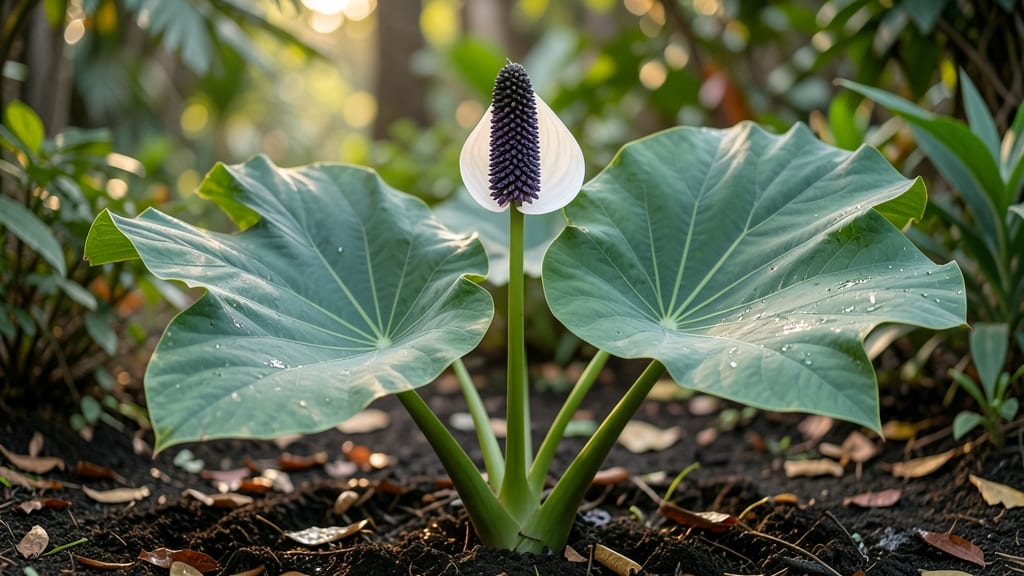
Growing taro flowers from seed delivers vibrant tropical blooms that transform any garden into a lush paradise—if you nail the germination process. ✨ I’ve struggled with slow starts, but these seeds reward patience with bold, heart-shaped leaves and dramatic spikes of purple blooms by week 6.
The key? Mimicking their native humidity and warmth without overcomplicating it.
Start with moistened seed-starting mix in a shallow tray, pressing seeds just below the surface—no deeper, or they’ll rot. Keep the soil warm (75–85°F) using a heat mat or sunny windowsill, and cover with plastic wrap to trap humidity.
Most seeds sprout in 10–20 days, but don’t give up if they take longer; taro seeds are stubborn but worth the wait.
Once sprouted, thin seedlings to 3–4 inches apart and move them under bright, indirect light (they’ll scorch in direct sun). Water gently at the soil line—never overhead—to prevent fungal issues.
Within 6 weeks, you’ll see those iconic arrow-shaped leaves unfurling, followed by striking purple flower spikes that attract hummingbirds.
Common pitfalls? Overwatering (roots rot fast) and cold drafts (growth stalls). If your garden’s climate dips below 60°F, grow them in containers and bring them indoors. The payoff? A year-round tropical display that thrives even in small spaces—just give them the right start.
📚 In This Guide
- What you need
- Instructions
- Tips and common mistakes
- Wrapping up and next steps
What you need
- ● Taro flower seeds or corms: 3–5 (ensure they’re fresh or dormant corms for best germination).
- ● Seed-starting mix: 2–3 gallons of well-draining, peat-based potting soil (or coconut coir for tropical plants).
- ● Containers: 4–6 small pots (4–6 inches deep) with drainage holes or a seed tray with individual cells.
- ● Grow lights or sunny window: A full-spectrum LED grow light (12–16 hrs/day) or a south-facing window (6+ hours of sunlight).
- ● Misting bottle: For gentle hydration (avoid overwatering!).
- ● Plastic wrap or humidity dome: To retain moisture during germination.
- ● Fertilizer: A balanced liquid fertilizer (10-10-10 or 20-20-20, diluted to half-strength).
- ○ Spray bottle (optional): For foliar feeding or pest control.
- ● Temperature: Keep soil between 70–80°F (21–27°C) for germination.
- ● Humidity: Aim for 70–80% humidity (use a humidifier or tray of water + pebbles if needed).
- ● Space: Allow 12–18 inches of spacing between mature plants (they’ll grow large!).
- ● 🌱 Pre-soak corms: Soak in warm water for 24 hours before planting to kickstart germination.
- ● ✨ Test soil pH: Taro thrives in slightly acidic to neutral soil (6.0–7.0). Use a pH tester if unsure.
- ● 🔄 Rotate containers: If using grow lights, rotate pots weekly for even growth.
Step-by-step guide to growing taro flowers from seed
Here's how to coax vibrant tropical blooms from tiny seeds in just six weeks.
🌱 Step 1: Prepare Seeds and Warmth for Germination
Taro flower seeds have a tough outer shell that needs softening before planting. Soak them in lukewarm water for 12-24 hours—this breaks dormancy and speeds up germination. I like to use a small glass jar with a lid to contain the seeds while they soak. After soaking, drain them and let them sit on a paper towel for 30 minutes to dry slightly before planting.
Germination thrives in warmth, so place your seed tray on a seedling heat mat set to 75-80°F. Without this, germination could take 3-4 weeks instead of the usual 7-10 days. Keep the soil consistently moist but never soggy—you'll know it's right when the surface stays damp but doesn't pool water.
🪴 Step 2: Plant Seeds in Light, Airy Mix
Use a sterile seed-starting mix in 2-3 inch deep containers—taro flowers dislike dense soil. I prefer a blend of 50% coconut coir and 50% perlite for excellent drainage. Plant seeds ¼ inch deep, spacing them 1 inch apart to avoid overcrowding. Gently press the soil around each seed to ensure good contact.
Cover the tray with a clear plastic dome or plastic wrap to retain humidity. Place it in bright, indirect light (no direct sun yet—seedlings are sensitive). Check daily for condensation on the dome. If you see droplets forming, it's time to remove the cover for 15 minutes to prevent fungal issues.
☀️ Step 3: Provide Gradual Light and Humidity
Once seedlings emerge—you'll spot tiny green shoots in 5-7 days—move them to bright, indirect light immediately. A south-facing window works, but if your light is weak, supplement with a grow light kept 4-6 inches above the plants. Taro flowers need 12-14 hours of light daily to prevent leggy growth.
Keep humidity high by misting seedlings twice daily or using a pebble tray with water underneath. Watch for yellowing leaves—this signals either overwatering or low humidity. Adjust your care based on what you see: if leaves droop in the morning, it's thirsty; if they feel mushy, you're overwatering.
🌿 Step 4: Transplant and Strengthen Seedlings
When seedlings reach 2-3 inches tall and have 3-4 true leaves (about 4-6 weeks), it's time to transplant. Choose 6-inch pots with drainage holes and fill them with a mix of potting soil and compost. Handle seedlings gently by their leaves—never the stems—to avoid damage.
After transplanting, place the pots in dappled shade for 3-5 days to help them adjust. Gradually introduce them to morning sun first, then full sun by week 7. You'll notice stronger stems and deeper green leaves as they adapt. This is when you'll see the first signs of those striking tropical blooms forming!
⏰ Step 5: Maintain for Blooms in Six Weeks
Once established, water when the top inch of soil feels dry. Taro flowers prefer moist but not soggy conditions—overwatering leads to root rot. Feed with a balanced liquid fertilizer (10-10-10) every 2 weeks to encourage vibrant blooms. Watch for buds forming around week 5—this is your reward for patience!
If your plants start to look leggy (stems stretching toward light), it's time to rotate the pots weekly so they grow evenly. Deadhead spent blooms to encourage more flowers. With proper care, you'll have lush, colorful tropical blooms ready to brighten your garden in just 6 weeks—exactly as promised!
Tips & tricks for growing taro flowers from seed
Here's what I learned after growing these stunning tropical blooms myself—these tricks will help you avoid common pitfalls and get the best results.
Seed Preparation: The 12-24 hour soak is non-negotiable for breaking dormancy, but here's the real secret: use distilled water instead of tap water. Tap water's chlorine can inhibit germination, and the minerals may cause uneven moisture distribution. After soaking, I like to place the seeds between two paper towels in a sealed plastic bag for the 30-minute drying period—this keeps them from sticking together and makes planting easier.
Heat Mat Hack: That 75-80°F heat mat setting is crucial, but not all heat mats are created equal. I've found that placing a thin layer of damp paper towels over the soil surface helps maintain consistent warmth at the seed level. This mimics the tropical forest floor conditions these seeds evolved in. If you don't have a heat mat, try placing your seed tray on top of your refrigerator (not inside!)—it generates just enough residual heat.
Light Transition Strategy: The move to bright indirect light after germination is where many growers struggle. I recommend using a grow light on a timer for the first week to ensure those 12-14 hours of light daily. Position it just 3-4 inches above the seedlings at first, then gradually raise it as they grow. This prevents that classic "leggy" growth where stems stretch toward light. You'll notice perfectly compact seedlings with strong stems when you do this right.
Transplanting Timing: Waiting until seedlings are 2-3 inches tall with 3-4 true leaves is perfect, but here's the pro move: check the roots before transplanting. Gently remove a seedling from its container and look for roots that have filled the root ball. If you see roots growing through the drainage holes, it's definitely time to transplant. This ensures your plants have developed enough root structure to handle the transition without shock.
Pro Tips for Taro Flower Seed Grow A Garden
- Here's what I learned after growing these stunning tropical blooms myself—these tricks will help you avoid common pit...
- Seed Preparation: The 12-24 hour soak is non-negotiable for breaking dormancy, but here's the real secret: use distil...
- Heat Mat Hack: That 75-80°F heat mat setting is crucial, but not all heat mats are created equal. I've found that pla...
Frequently asked questions
Got questions about growing taro flowers from seed? You’re not alone!
Here are answers to the most common queries to help you cultivate stunning tropical blooms with confidence.
How long does it take for taro flower seeds to germinate?
Taro flower seeds typically germinate within 10–21 days if kept in warm, moist conditions (70–80°F). For faster results, soak seeds in warm water for 24 hours before planting and use a seedling heat mat. Patience is key—some varieties may take longer, especially in cooler climates.
What’s the best temperature for growing taro flowers?
Taro flowers thrive in warmth (75–85°F during the day, 65–70°F at night). If your climate dips below 60°F, grow them in containers and move them indoors or under grow lights. Use a greenhouse or frost cloth for extra protection in cooler zones.
Can I grow taro flowers from store-bought taro root?
No, store-bought taro root is not viable for growing flowers—it’s bred for edible corms, not propagation. For seeds, source them from specialty tropical nurseries or reputable online sellers. If you’re set on growing from root, try Colocasia (elephant ear) varieties, which are easier to propagate.
Why aren’t my taro flower seeds sprouting? Troubleshooting tips
Seeds may fail to sprout due to old seeds, improper moisture, or incorrect soil. Try these fixes:
- Test seed viability: Cut open a seed—if it’s hard and firm, it’s likely good. Soft or moldy seeds won’t sprout.
- Use sterile, well-draining soil (mix potting soil with perlite). Taro flowers hate soggy roots!
- Keep soil consistently moist (not waterlogged) and cover seeds lightly with soil (¼ inch).
- Try scarification: Lightly sand the seed coat to help water penetrate.
Do taro flowers attract pollinators like other tropical plants?
Yes! Taro flowers (Alocasia or Xanthosoma varieties) produce fragrant, colorful blooms that attract bees, butterflies, and hummingbirds—especially in their native tropical habitats. For best results, plant them in full sun to partial shade and ensure good airflow to encourage pollination.
Wrapping up and next steps
Growing taro flower seeds into a vibrant garden is a rewarding journey that brings tropical beauty to your space! 🌺 With the right soil, patience, and care, you’ll soon enjoy lush blooms in just six weeks.
Whether you’re a beginner or a seasoned gardener, every step—from seed selection to transplanting—sets you up for success.
Now that you’re armed with tips and answers, take the next step! Start with a small batch of seeds, experiment with containers, and watch your garden flourish. Happy planting—your taro flowers are waiting to bloom! 🌱✨