
Lawn
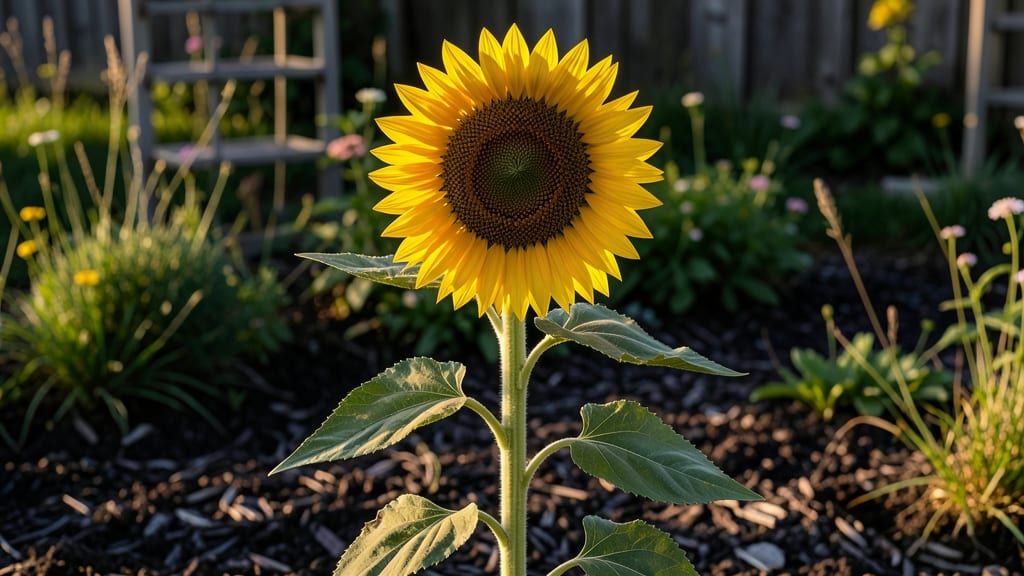
A sunflower seed identification chart saves you from guessing which stunning blooms will rise from your garden. 🌻 The right variety can mean towering 12-foot giants or cheerful 2-foot dwarfs, and seed shape alone tells you which. A round, striped seed?
Likely a classic Helianthus annuus. Flat and grayish? Probably a Helianthus debilis—the wild, drought-tolerant type. Most beginners struggle with seed size and color cues, but mastering these three traits—shape, texture, and stripe pattern—lets you pick seeds that match your goals.
Want edible seeds? Look for larger, striped varieties. Prefer pollinator magnets? Smaller, darker seeds often attract more bees. I’ve grown both, and the difference in garden buzz is night and day.
By the time your plants reach 6 inches, you’ll spot the first clues about what’s coming: leaf shape, stem thickness, and even the way the buds form.
The chart I’ve used for years breaks it down visually, so you’ll know if you’re planting a 100-day giant or a 60-day snackable variety before the first sprouts peek through.
This isn’t just about picking pretty flowers—it’s about growing what thrives in your space, whether that’s a sunny city balcony or a dry rural field. Let’s decode those seeds so you plant with confidence.
📚 In This Guide
- What you need
- Instructions
- Tips and common mistakes
- Wrapping up and next steps
What you need
- ● Sunflower seeds (5–10 different varieties for comparison, including common types like Helianthus annuus and heirloom or hybrid seeds).
- ● Printed or digital reference guide (use trusted sources like USDA or seed catalogs for accurate descriptions).
- ● Ruler or measuring tape (preferably with metric/imperial markings for precision).
- ● Magnifying glass (10x–20x magnification to inspect seed details like texture, color, and markings).
- ● White or light-colored paper (8.5" x 11" or A4 size for sketching seeds).
- ● Pencil and eraser (for initial sketches before finalizing your chart).
- ● Clear sealing spray or laminator (to protect your chart from wear and moisture).
- ● Digital camera (with macro mode for high-resolution seed photos).
- ● Colored pencils or markers (for adding vibrant details to your chart).
- ● Adhesive labels or sticky notes (to annotate key features like seed size, shape, or growth habits).
- ● Seedling trays and soil (if you want to grow samples side-by-side for real-time comparison).
- ● Plant identification apps (like PictureThis or PlantNet for cross-referencing).
How to identify sunflower seed varieties and growth stages visually
Here's how to tell sunflower varieties apart—and track their progress—using simple visual cues.
🌱 Step 1: Examine Seed Leaf Shape for Early Variety Clues
Sunflower seedlings reveal their variety through their first true leaves, which appear 7-14 days after germination. Single-leaf varieties like 'Russian Giant' show broad, heart-shaped cotyledons that persist longer, while multi-leaf types such as 'Autumn Beauty' develop narrow, lance-shaped leaves almost immediately. I always check the leaf margin: smooth-edged leaves belong to oilseed types, while slightly serrated edges signal confetti or snack varieties.
This is the moment that matters: if you're growing from seed, these early leaves tell you whether you planted a tall mammoth type (like 'Mammoth Russian') or a dwarf variety (like 'Teddy Bear'). Take a photo of your seedlings—you'll thank yourself later when the plants mature and you need to identify them in a crowded garden.
☀️ Step 2: Observe Stem Thickness and Growth Pattern
By the time plants reach 12-18 inches tall, their stems reveal their growth habit. Single-stem varieties like 'ProCut' grow straight and sturdy, with a thick, woody base that widens as it matures. In contrast, multi-branching types such as 'Autumn Beauty' develop multiple lateral stems from the base, creating a bushier silhouette. I run my thumb along the stem: if it feels smooth and hairless, it's likely a commercial oilseed type; if it's slightly fuzzy, it's probably an ornamental or confetti variety.
Watch for leaf arrangement: plants with leaves in alternate patterns (one leaf per node) are typically annual types, while those with whorled leaves (multiple leaves at each node) often belong to perennial sunflower species like Helianthus tuberosus. This distinction helps you predict whether your sunflowers will self-seed aggressively or need winter protection.
🌻 Step 3: Compare Flower Head Structure at Mid-Stage
When flower buds form 4-6 weeks after germination, their structure becomes the most reliable identifier. Mammoth varieties like 'American Giant' develop single, massive heads with smooth, uniform petals that curve backward dramatically. In contrast, confetti types such as 'Moulin Rouge' show double rows of petals—the outer layer of traditional ray florets plus an inner ring of tiny disk florets that create the "confetti" effect. I always measure the bud diameter at this stage: single-stem types exceed 8 inches in width, while dwarf varieties max out around 4-6 inches.
Pay attention to disk color: pure yellow disks signal oilseed varieties, while deep red or chocolate-brown disks appear in ornamental types like 'Chocolate Cherry'. This is where gardeners often mix up varieties—don't assume all sunflowers have yellow centers! Take a close-up photo of the bud's underside to document these details before the petals fully open.
🪴 Step 4: Analyze Mature Seed Head Characteristics
Once the flower matures and the petals drop, the seed head's structure becomes the final clue. Oilseed varieties like 'NuSun' produce small, flat, disk-shaped heads packed with thin, elongated seeds that dry uniformly. Ornamental types, however, show distinct seed patterns: 'Teddy Bear' varieties develop round, pom-pom-like heads with short, stubby seeds, while confetti sunflowers reveal two seed types—the outer ring of large, showy seeds and the inner core of tiny, crunchy confetti seeds. I always crack open a mature head to check seed length: oilseeds are 1-1.5 inches long, while birdseed varieties are under 0.5 inches.
This final stage also reveals branching patterns: if you see multiple seed heads on a single stem, you're dealing with a multi-stem variety like 'Autumn Beauty'. Single-stem types will have one dominant head with no side branches. Note whether the stems are hollow (common in tall varieties) or solid (typical of dwarf types)—this affects how you handle them during harvest.
⏰ Step 5: Document Growth Stages for Future Reference
To create your own identification chart, photograph each variety at four key stages: seedling, bud formation, full bloom, and mature seed head. Label each photo with the variety name, stem height, flower diameter, and seed characteristics. I keep a simple spreadsheet with these columns: Stage | Leaf Shape | Stem Type | Flower Structure | Seed Appearance. This visual reference becomes invaluable when you're comparing new varieties or troubleshooting hybrid characteristics. Over time, you'll spot patterns—like how all dwarf varieties seem to mature 2-3 weeks earlier than their tall counterparts.
Here's the thing—sunflower identification gets easier with practice. Start with 3-4 distinct varieties in your first garden, and by next season, you'll instinctively recognize their growth habits just by glancing at a seedling. The key is consistent observation: check plants weekly at the same time of day for the most accurate comparisons. Your garden will become a living catalog of sunflower diversity before you know it.
Tips & tricks for mastering sunflower seed identification
Sunflower variety identification takes patience—and these pro tips will help you spot subtle differences that make all the difference. Here's how to elevate your visual assessment game.
Early Leaf Inspection: At the 7-14 day seedling stage, focus on the cotyledons' texture and shape. Use a magnifying glass to examine leaf margins—slight serrations on confetti varieties are often overlooked but crucial. I've found that oilseed types like 'NuSun' develop slightly thicker cotyledons that feel firmer to the touch, while ornamental varieties tend to be more delicate. Take reference photos of each variety's seedlings immediately after germination to create your own visual catalog.
Stem Texture Reveals Growth Habits: When plants reach 12-18 inches, run your fingers along the stem's surface to identify fuzzy vs. smooth varieties. Commercial oilseeds have remarkably smooth stems that feel almost waxy when mature, while ornamental types develop fine hairs that become more pronounced as they grow. This texture difference correlates directly with their water needs—smooth-stemmed varieties tolerate drought better, while fuzzy-stemmed types prefer consistent moisture.
Bud Measurement Hack: At the 4-6 week bud stage, use a ruler to measure the diameter of developing flower heads. Single-stem mammoth types will consistently exceed 8 inches in width, while dwarf varieties rarely surpass 6 inches. I've discovered that measuring at this stage is more reliable than waiting for full bloom, as some varieties (like 'Teddy Bear') develop uneven petal growth that can distort later measurements. Record these dimensions in your identification chart—they're more consistent than flower colors, which can vary with sunlight exposure.
Seed Head Documentation System: For mature plants, implement a simple color-coding system when photographing seed heads. Use yellow sticky notes for oilseed varieties, red for ornamental types with dark disks, and green for confetti varieties. This visual cueing makes it instantly obvious when reviewing your photos later. I've found that birdseed varieties often have the most distinctive seed patterns, with seeds under 0.5 inches that resemble tiny acorns—this is a key identifier that's easy to miss when focusing on flower structure.
Pro Tips for Sunflower Seed Identification Chart
- Sunflower variety identification takes patience—and these pro tips will help you spot subtle differences that make al...
- Early Leaf Inspection: At the 7-14 day seedling stage, focus on the cotyledons' texture and shape. Use a magnifying g...
- Stem Texture Reveals Growth Habits: When plants reach 12-18 inches, run your fingers along the stem's surface to iden...
Frequently asked questions
Got questions about identifying sunflower seeds? You’re not alone! Here are answers to the most common queries to help you navigate your sunflower seed journey with confidence.
How do I tell the difference between edible and bird sunflower seeds?
Edible sunflower seeds (like Helianthus annuus) typically have larger, striped shells and are sold in grocery stores or seed packets. Bird seeds (e.g., black oil sunflower seeds) are smaller, darker, and often unshelled. Always check the label—if it’s labeled for human consumption, it’s safe to eat!
When is the best time to harvest sunflower seeds for planting or eating?
Harvest seeds when the back of the flower head turns yellow and the petals droop naturally (usually 45–60 days after flowering). For eating, wait until the seed heads are fully dry and brown. For planting, collect seeds when they’re mature but before birds or squirrels get to them!
What should I do if my sunflower seeds aren’t germinating?
Check these troubleshooting steps: soil temperature (needs to be 70–90°F), moisture (keep soil damp but not soggy), and depth (plant 1 inch deep). If seeds are old, try soaking them in warm water for 24 hours before planting. Poor germination could also signal poor-quality seeds—opt for fresh, reputable brands.
Can I grow sunflowers from seeds bought for bird feeders?
Technically yes, but it’s hit-or-miss! Bird seeds (like nyjer or black oil) are often treated to deter pests or may not be the best varieties for gardening. For reliable growth, use seeds labeled for planting. If you’re experimenting, try soaking and scarifying (lightly scratching) the shells to improve germination.
How do I measure sunflower seed size for planting depth?
Most sunflower seeds are about ½ to ¾ inch long. For planting, aim for a depth of 1 inch (about 2–3 times the seed’s length). Use your finger as a guide: a standard finger-width (across the first joint) is roughly 1 inch deep. Press gently to ensure good soil contact.
Wrapping up and next steps
Mastering sunflower seed identification is your first step toward cultivating stunning blooms or bountiful harvests! Whether you’re distinguishing between Helianthus annuus varieties or tracking growth stages, this visual guide empowers you to make confident choices.
Now that you’re equipped with the knowledge, why not plant a few seeds and watch your garden transform? Start small—pick a variety, grab your tools, and let the sunflowers shine! 🌻