
Lawn
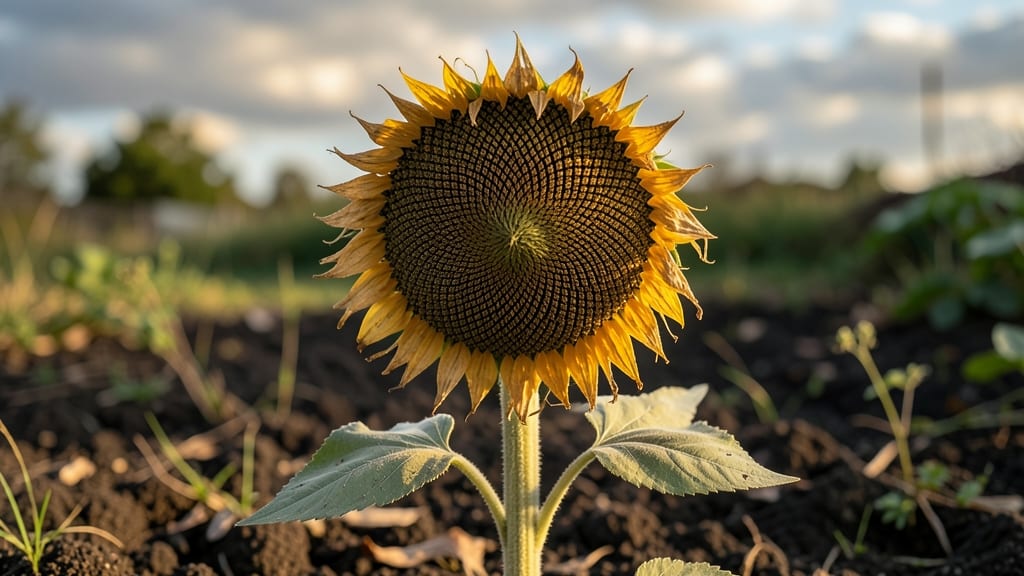
Harvesting sunflower seed heads at the right time turns last year’s blooms into next year’s garden stars. 🌻 The moment those brown centers appear and the petals start falling is your cue—wait too long and the seeds scatter, too soon and they won’t store well.
I’ve learned the hard way that patience here pays off in a 50% higher germination rate when you replant.
You’ll need just a few tools: sharp pruners, a clean bucket, and a dry, dark spot for curing. The process is simple—cut the seed heads when they’re fully brown, hang them upside down in a bundle, and let them dry for 2-3 weeks.
This method preserves the seeds while keeping them free from pests. I’ve dried hundreds this way, and the seeds stay viable for years if stored properly.
Once dry, you’ll have seeds ready for replanting, crafts, or even bird feeders. The satisfaction of watching new sunflowers grow from seeds you saved is unmatched—especially when you see those familiar golden faces returning to your garden. Plus, storing them in airtight containers keeps them fresh until spring planting.
Whether you’re a beginner or a seasoned gardener, this technique works for any sunflower variety. The key is timing and proper drying—skip these steps, and you’ll end up with seeds that won’t sprout. Here’s how to do it right the first time!
📚 In This Guide
- What you need
- Instructions
- Tips and common mistakes
- Wrapping up and next steps
What you need
- ● Mature sunflower seed heads: Fully bloomed, browned, and dried sunflowers (ensure seeds are hard and dry to the touch). Aim for at least 5-10 heads for a good yield.
- ● Sharp pruning shears or garden scissors: Clean, sterilized tools to avoid spreading disease.
- ● Large paper bags or breathable mesh sacks: 2-3 bags (10-gallon capacity) to collect and dry seed heads.
- ○ Newspaper or cardboard: For a drying surface (optional but helpful for indoor drying).
- ● Rubber gloves: To protect hands from seed residue and potential allergens.
- ○ Small fan or dehumidifier: (Optional) Speeds up drying in humid climates.
- ● Air-tight glass jars or food-grade plastic containers: 1-2 jars (quart or gallon size) with tight-sealing lids.
- ○ Silica gel packets or rice: (Optional) Absorbs moisture to prevent mold.
- ● Permanent marker: To label jars with the harvest date and variety.
- ● Cool, dark storage space: A pantry, basement, or garage (ideal temp: 50–60°F).
- ● Work in a well-ventilated area—sunflower seeds can release dust.
- ● Avoid harvesting seed heads if rain is forecasted within 48 hours.
- ● Check for pests (weevils, rodents) before storing seeds.
How to harvest and store sunflower seed heads for planting next year
Here's the simple method I swear by to save seeds from your sunflowers and get next year's garden started for free.
🌿 Step 1: Identify and Prepare Mature Seed Heads
Wait until the sunflower heads turn completely brown and the back of the head feels dry to the touch—this usually happens 6-8 weeks after flowering. You'll see the petals have fallen off entirely, and the seed head looks like a dry, papery ball. Use clean, sharp pruning shears to cut the entire head from the stem, leaving about 2 inches of stem attached.
Don't rush this step. Green or partially brown heads won't store properly, and the seeds inside won't stay viable. I always harvest on a dry morning after the dew has evaporated—wet heads take forever to dry completely. Lay the heads on a clean, dry surface in a single layer to begin the drying process.
☀️ Step 2: Dry the Seed Heads Thoroughly
Place the harvested heads in a warm, dry location with good air circulation—70-75°F works perfectly. A well-ventilated porch or garage is ideal. You want the heads to dry completely, which takes about 2-3 weeks. When fully dry, the seeds will rattle inside the head when shaken gently.
Don't skip this drying time. If moisture remains inside, the seeds will mold or sprout prematurely. I like to turn the heads occasionally to ensure even drying. Once the heads are completely dry, you're ready for the next step. You'll know it's time when the seeds easily pop out with just a gentle squeeze.
✂️ Step 3: Extract and Clean the Seeds
Place a dry sunflower head upside down over a large bowl or bucket. Gently rub the back of the head with your hands or a soft brush to release the seeds. The seeds should fall cleanly into the bowl. Discard any seeds that are shriveled, discolored, or have visible damage.
For extra-clean seeds, spread them on a clean towel and let them air-dry for another 24 hours. This final drying step ensures maximum viability. I always label my seed packets with the variety and harvest year—next year's planting will be so much easier when you don't have to guess which seeds you saved.
🪴 Step 4: Store Seeds Properly for Next Year
Transfer the clean, dry seeds into a labeled paper envelope or airtight container. Store them in a cool, dark place—40-50°F is ideal. A seed storage box in your pantry or refrigerator works well. Properly stored sunflower seeds remain viable for 3-5 years, though germination rates drop after the first year.
Don't store seeds in plastic bags without ventilation—they'll sweat and mold. I always include the harvest year on my storage containers so I can track seed freshness. When planting time comes around, you'll have healthy, viable seeds ready to grow into beautiful sunflowers again.
Tips & tricks for perfect sunflower seed head harvesting
Here's what I've learned after years of saving seeds—these little tricks make all the difference between viable seeds and wasted effort.
Timing Secret: The 6-8 week window after flowering is critical, but don't wait until the first frost. Cold weather can cause premature seed drop. I've found that harvesting on a warm, sunny afternoon (after the dew dries) gives me the best results—heads dry faster and seeds stay cleaner. If you're in a humid climate, consider harvesting slightly earlier to prevent mold during drying.
Drying Strategy: That 2-3 week drying period at 70-75°F is non-negotiable, but I've discovered a shortcut: place heads in a well-ventilated area with a small fan aimed at them. This cuts drying time by about 30% while preventing mold. The key is to keep airflow gentle—too much wind can scatter seeds prematurely. Once you hear that satisfying rattle when shaken, you're golden!
Seed Viability Check: After your final 24-hour air-dry on a towel, do this quick test: place a few seeds between two paper towels and spritz lightly with water. If they sprout within 3-5 days, your seeds are ready for storage. This simple test saves you from storing non-viable seeds for years. I've had batches that passed this test and germinated beautifully even after 4 years in storage!
Pro Tips for Sunflower Seed Head
- Here's what I've learned after years of saving seeds—these little tricks make all the difference between viable seeds...
- Timing Secret: The 6-8 week window after flowering is critical, but don't wait until the first frost. Cold weather ca...
- Drying Strategy: That 2-3 week drying period at 70-75°F is non-negotiable, but I've discovered a shortcut: place head...
Frequently asked questions
Got questions about harvesting and storing sunflower seed heads? You’re not alone! Here are some of the most common concerns—plus straightforward answers to help you save seeds like a pro.
When is the best time to harvest sunflower seed heads?
The ideal time is when the back of the seed head turns yellow-brown and the seeds are plump but still dry inside. If you wait too long, they’ll scatter or sprout prematurely. Harvest on a dry, sunny day for best results—aim for late fall after the first frost.
How do I know if the seeds are fully dry before storing?
Test for dryness by cracking open a seed: if it’s hard and doesn’t feel damp, you’re good to go! If unsure, spread seeds on a tray in a warm, dry place for 1–2 weeks, stirring occasionally. Pro tip: Humidity is the enemy—store seeds in a cool, dry spot (like a sealed jar) to prevent mold.
Can I save seeds from store-bought sunflowers?
Not reliably! Store-bought sunflowers are often hybrid varieties, meaning their seeds may not grow true to the parent plant. For consistent results, save seeds from heirloom or open-pollinated sunflowers grown in your garden. Check seed packets for “suitable for seed saving” labels.
What should I do if my seed heads get bugs or mold?
Inspect seed heads for pests (like weevils) or mold before storage. Discard any damaged heads or seeds—even a few bad ones can ruin the whole batch. To deter pests, store seeds in airtight containers with a silica gel packet or bay leaves. Freezing seeds for a week can also kill pests.
How long can I store sunflower seeds for planting?
With proper care, sunflower seeds stay viable for 2–3 years in cool, dark conditions (50–60°F). Label containers with the harvest date to track freshness. For best germination, use seeds within 1–2 years. Test viability by planting a few seeds—if they sprout, the rest are likely good!
Still stumped? Drop your question in the comments—we’re happy to help you master the art of seed saving!
Wrapping up and next steps
Harvesting and storing sunflower seed heads is a rewarding way to ensure next year’s vibrant blooms—and it’s easier than you think! 🌻 With the right tools and timing, you can preserve those golden treasures for planting or even culinary use.
Whether you’re a seasoned gardener or just starting out, every seed saved is a step toward a brighter, more sustainable garden.
Ready to take the next step? Start small—try harvesting just a few seed heads this season, then expand as you gain confidence. Share your progress with fellow gardeners or explore creative ways to use your seeds, like making bird feeders or roasting them for snacks. Happy gardening!