
Lawn
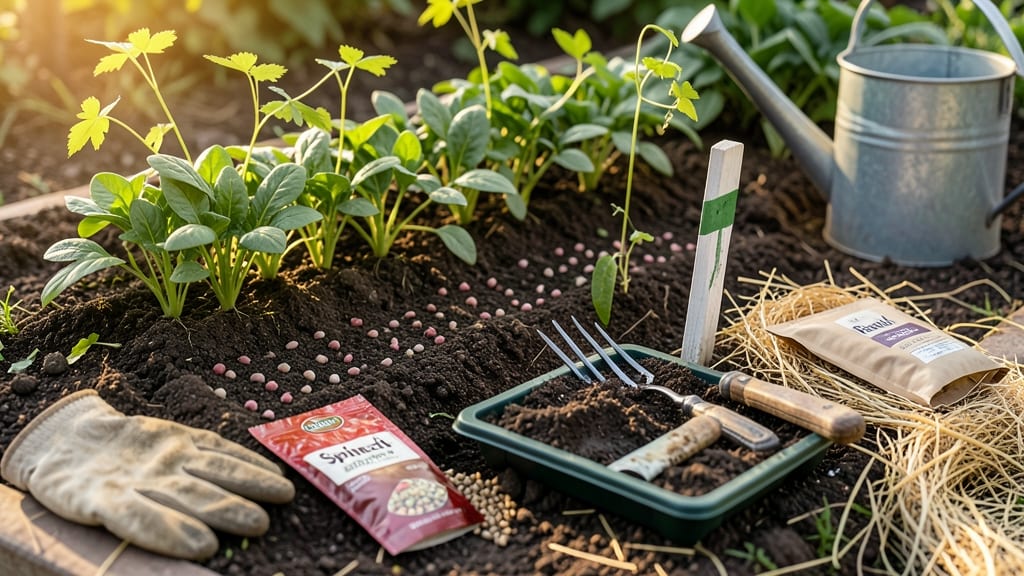
Fall seeding transforms your lawn from patchy to lush before spring—no guesswork involved. 🌱 I’ve seen bare spots vanish after just one autumn planting, and the secret lies in cooler temperatures and moist soil working together to give seeds the perfect start.
The right plants make all the difference: cool-season grasses like fescue and ryegrass thrive when sown in late summer or early fall, while wildflowers and clover add color and resilience. Skip the summer heat stress and let nature do the heavy lifting while you enjoy the results.
You’ll wake up to a greener lawn next spring, with roots already established and ready to handle summer’s challenges. The soil stays moist longer in fall, reducing watering hassles and giving seedlings a fighting chance against weeds.
Works best in zones 3-8, but even warmer climates can benefit with the right timing. Here’s how to make it happen without the usual headaches.
📚 In This Guide
- What you need
- Instructions
- Tips and common mistakes
- Wrapping up and next steps
What you need
- ● Seed: Choose a high-quality fall seed mix (10–20 lbs per 500 sq. ft., depending on grass type). Opt for cool-season grasses like Kentucky Bluegrass, Fescue, or Ryegrass for fall planting.
- ● Lawn Rake: A bendable-tine rake (for aerating) or a stiff-bristle rake (for leveling soil).
- ● Broadcast Spreader: A handheld or tow-behind model for even seed distribution. Calibrate it beforehand!
- ○ Compost or Topsoil: 1–2 inches of organic matter (optional but recommended for thin or bare spots).
- ● Water Source: A hose with a sprinkler head or drip irrigation system for consistent moisture.
- ● Fertilizer: A slow-release, fall-specific fertilizer (look for a high phosphorus content, like 5-10-10 or 0-0-2).
- ● Core Aerator: Rents for ~$75–$100 if your soil is compacted.
- ● Soil Test Kit: (~$20) to check pH and nutrient levels before seeding.
- ● Straw or Netting: To hold seed in place (especially for slopes or windy areas).
- ● Lawn Roller: Lightweight (50–100 lbs) to press seed into soil gently.
- ● Knee Pads: Because comfort matters when you’re on your hands and knees!
Instructions: how to seed your lawn in fall for guaranteed success
Fall seeding is your secret weapon for a lush lawn—here's the straightforward method I've used for five seasons.
🌱 Step 1: Prepare the Soil Like a Pro
Start by mowing your lawn shorter than usual—about 1.5 inches—to expose the soil surface without scalping. This helps new seeds make direct contact with the earth. Use a broadfork or tiller to loosen the top 2-3 inches of soil, breaking up any compacted layers. You'll know you've done it right when the soil crumbles easily between your fingers.
Rake the area thoroughly with a stiff-bristled rake to remove debris and create a smooth, even surface. The goal is to mimic the texture of a fine golf green—no clumps or uneven spots. This ensures seeds settle evenly and get consistent moisture. I like to work in small sections (about 5 feet by 5 feet) so I don't have to worry about drying out one area while working another.
💧 Step 2: Choose the Right Seed and Spread It Evenly
Select a high-quality seed blend suited for your climate and lawn traffic. For cool-season grasses like fescue or ryegrass, fall is perfect—they establish roots before winter. Sprinkle seeds by hand or use a broadcast spreader set to the recommended rate (usually 5-10 pounds per 1,000 square feet). Walk slowly in overlapping passes to avoid gaps.
Lightly rake the seeds into the soil with a leaf rake—just enough to cover them with ¼ inch of dirt. This protects them from birds while keeping them close enough to sunlight. I press down gently with the back of a rake to ensure good seed-to-soil contact. If you see bare spots after spreading, sprinkle a few extra seeds there—better to have a slightly thicker patch than thin areas.
☀️ Step 3: Water Gently but Consistently
Water immediately after seeding to settle the soil and activate germination. Use a gentle sprinkler or soaker hose to apply ¼ inch of water—enough to moisten the top inch without creating puddles. Keep the soil damp (not soggy) for the first 10-14 days. You'll know it's right when the surface looks dark and uniformly moist, like a damp sponge.
Water lightly twice daily—once in the morning and once in the late afternoon—to prevent drying. Avoid heavy watering, which can dislodge seeds or create crusting on the soil surface. After the first true leaves appear (about 2-3 weeks), gradually reduce frequency to 1 inch per week, letting the top layer dry slightly between waterings. This encourages deeper root growth.
✂️ Step 4: Protect and Maintain Until Spring
Keep foot traffic to a minimum for at least 4-6 weeks to avoid damaging tender seedlings. If pets or kids can't resist, set up a temporary play area with mulch or artificial turf. Avoid fertilizing until new grass reaches 3-4 inches tall—you want roots to establish before encouraging top growth.
Mow when the new grass reaches 3.5 inches, then maintain at 3 inches moving forward. Use a sharp mower blade to prevent tearing grass. In late fall, apply a light layer of compost or straw mulch (¼ inch thick) to insulate seeds and retain moisture over winter. This also suppresses weeds that might compete with your new lawn.
Tips & tricks for perfect fall lawn seeding
Fall seeding success starts with these simple but game-changing tricks that'll make all the difference between patchy results and a lush, green lawn.
Soil Prep Secret: After tilling the top 2-3 inches of soil in Step 1, run your fingers through it—it should feel like damp sandpaper, not hard clay. If it's still compacted, go deeper with your broadfork or add a thin layer of compost (about ¼ inch) before raking. This extra step prevents that frustrating "hardpan" effect where water just rolls off instead of soaking in.
Seed Spread Strategy: In Step 2, when using a broadcast spreader, walk in a crisscross pattern—first north/south, then east/west—to ensure even coverage. For hand-spreading, sprinkle seeds in one direction only (like sowing a garden row) to avoid overlapping and wasting seed. You can always add more, but you can't take away what's missing!
Watering Watch: The first 10-14 days are critical for germination in Step 3. Set a timer for your morning and afternoon watering sessions—exactly 5 minutes each—to ensure consistent moisture. A simple rain gauge (or even a tuna can buried in the soil) helps track that you're hitting the ¼-inch mark. Overwatering here creates mud, underwatering creates crust.
Winter Protection: For Step 4, don't skip the mulch layer—even if it's just leaves or straw. This thin ¼-inch blanket acts like a cozy blanket for your seeds, protecting them from winter winds and temperature swings. I've seen seeds survive winter with this protection that would otherwise freeze or dry out completely.
Pro Tips for Seed In The Fall
- Fall seeding success starts with these simple but game-changing tricks that'll make all the difference between patchy...
- Soil Prep Secret: After tilling the top 2-3 inches of soil in Step 1, run your fingers through it—it should feel like...
- Seed Spread Strategy: In Step 2, when using a broadcast spreader, walk in a crisscross pattern—first north/south, the...
Frequently asked questions
Got questions about seeding your lawn in the fall? You’re not alone—this is a game-changer for lush grass, but timing, prep, and follow-up can feel tricky. Below, we tackle the most common concerns so you can dive in with confidence.
Why is fall the best time to seed a lawn?
Fall offers perfect conditions: cooler air, warm soil, and fewer weeds. Seeds germinate faster (often in 7–14 days!), and young grass roots establish deep before winter. Spring seeding? Too hot, too dry, and weeds steal the show. Fall = nature’s shortcut to success.
When exactly should I seed in the fall?
Aim for 4–6 weeks before your first hard frost (usually late August to early October, depending on your zone). Check your local frost dates—seeds need 3–4 weeks to sprout and 60+ days to mature. Pro tip: If temps drop below 50°F at night, hold off until spring.
Can I seed over existing grass, or do I need to tear it up?
No tear-out required! Overseeding works wonders for thin lawns. Mow existing grass short (1–1.5 inches), rake to loosen soil, and spread seed evenly. For bare spots, scratch the soil lightly with a rake to improve seed-to-soil contact. Just avoid seeding if your lawn is heavily thatched or diseased—tackle repairs first.
How often should I water after seeding?
Keep soil consistently moist (not soggy!) for the first 2 weeks. Water lightly 2x daily (morning + evening) to avoid washing seeds away. After germination, switch to deep, infrequent watering (1–1.5 inches per week). Skip watering if rain does the job—just check for puddles (a red flag for overwatering).
What if squirrels, birds, or critters eat my seeds?
Use seed starter fertilizer (it deters nibblers) or cover seeds with a thin layer of straw or peat moss. For stubborn pests, try a light sprinkle of diatomaceous earth around the edges. Avoid chemical repellents—they can harm seedlings. If you spot bare patches post-germination, reseed those spots ASAP.
Can I use fall-seeded grass for spring sports or play?
Yes, but wait until late spring (after frost risk passes). Fall-seeded grass is tougher and recovers faster than spring-seeded lawns. For high-traffic areas, consider ryegrass—it germinates quickly and handles foot traffic better than fescue or bluegrass. Just avoid heavy play until roots are established (usually 6+ months).
Wrapping up and next steps
Fall is the perfect time to revitalize your lawn—and with the right seeds, tools, and techniques, you’ll be well on your way to a lush, green carpet by spring. 🌱 Whether you’re patching bare spots, overseeding, or prepping for winter, the key is consistency and care.
Now that you’re armed with knowledge, it’s time to roll up your sleeves and make it happen!
Ready to take the next step? Mark your calendar for the ideal planting window in your zone, gather your supplies, and start small—even a single section can make a big difference. Your future lawn will thank you!