
Size
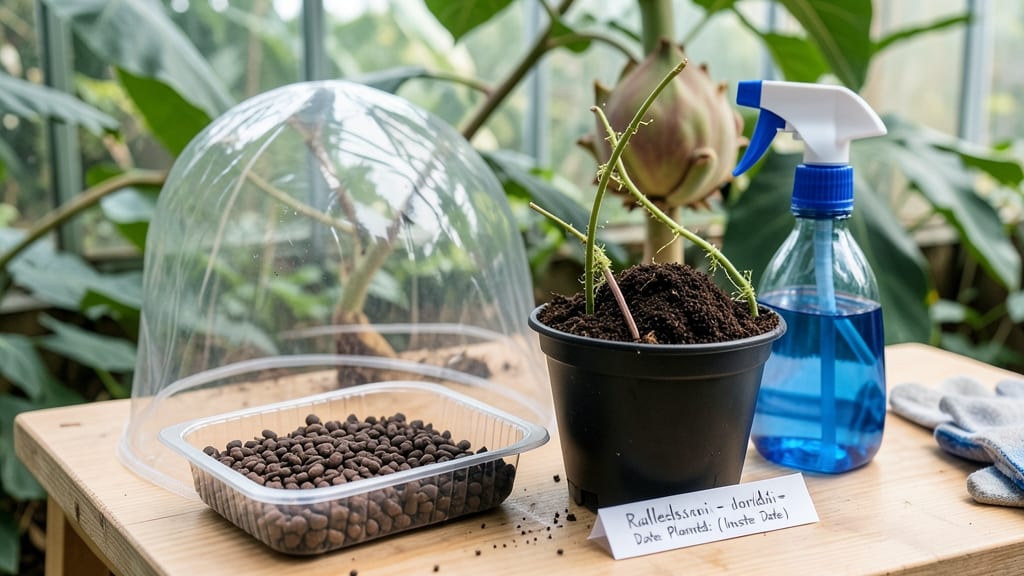
Growing a rafflesia from seed is the ultimate gardening challenge—one that rewards patience with the world's largest flower. 🌺 Unlike most plants, rafflesia doesn't grow from seeds in soil; it needs a host vine (Tetrastigma) and a humid tropical climate to thrive.
The seeds themselves are rare, often collected from wild blooms, and germination takes weeks of precise conditions. The secret lies in mimicking the rainforest floor: high humidity (80%+), warm temperatures (75-85°F), and a sterile mix of peat moss and perlite.
You'll need a sealed propagator or greenhouse to maintain these levels while the tiny seeds sprout delicate shoots. Without the right setup, they'll simply rot—this isn't a project for the faint of heart.
By day 60, you might see the first tendrils of the host vine forming, but the real magic takes years. The flower itself won't bloom for 3-5 years, if ever, and even then, it's a fleeting spectacle lasting just 5-7 days.
The journey is what makes it unforgettable—every gardener who succeeds has a story to tell. Ethical sourcing is critical here. Never collect seeds from wild plants (it's illegal in many countries), and always research local regulations. Some botanical gardens offer seed exchanges for conservation-minded growers—start there if you're serious.
This isn't just gardening; it's participating in the preservation of a living legend.
📚 In This Guide
- What you need
- Instructions
- Tips and common mistakes
- Wrapping up and next steps
What you need
- ● Rafflesia seeds: 5–10 mature seeds (ensure they’re fresh or refrigerated at 41°F (5°C) to maintain viability). Note: Legal sourcing is critical—check local regulations!
- ● Host plant (Tetrastigma spp.): 2–3 young, healthy vines (Rafflesia relies on this parasitic host to germinate).
- ● Potting mix: 50% peat moss (or coconut coir for sustainability)
- ● 30% perlite (for aeration)
- ● 20% sand (coarse, sterilized)
- ● Growing containers: 2–3 10-gallon pots with drainage holes (or a raised jungle bed if outdoor conditions allow).
- ● Humidity dome or plastic wrap: 1–2 sheets to maintain 80–90% humidity during germination.
- ● Misting bottle: 16 oz spray bottle for daily moisture control.
- ● Fertilizer: Balanced liquid fertilizer (e.g., 10-10-10) diluted to half-strength (use sparingly—Rafflesia is sensitive!).
- ● pH test kit: To monitor soil pH (5.5–6.5 is ideal).
- ● Pruning shears: Sharp, sterilized shears for trimming host vines.
- ● Thermometer/hygrometer: To track 75–85°F (24–29°C) temps and humidity.
- ○ Heat mat (optional): For containers to maintain warmth if indoors.
- ○ Grow lights (optional): Full-spectrum LED (12–14 hrs/day) if natural light is insufficient.
- ● Gloves & mask: Rafflesia seeds can irritate skin—protect yourself!
- ● Space: A shaded, humid environment (e.g., greenhouse, conservatory, or jungle-like climate).
- ● Patience: Germination can take 3–6 months, and blooms may take 1–3 years!
- ● Legal clearance: Verify CITES regulations—Rafflesia is protected in many regions.
- ● Partner host plant: Without Tetrastigma, seeds won’t germinate.
Step-by-Step instructions for cultivating Rafflesia seeds
Here’s how to nurture these rare blooms—it’s a delicate process, but patience pays off.
🌱 Step 1: Prepare the Ideal Germination Environment
Rafflesia seeds need a humid, warm, and shaded setup to germinate. Start by filling a sterile propagation tray with a mix of 50% peat moss and 50% perlite—this keeps moisture even while preventing rot. Use a spray bottle to dampen the mix until it’s consistently moist but not soggy.
Place the tray inside a clear plastic propagator or under a humidity dome. Maintain temperatures between 75-80°F using a seedling heat mat if needed. Without this warmth, germination can take months instead of weeks. Keep the tray in indirect light—direct sun will scorch the delicate seeds.
💧 Step 2: Plant and Monitor Seedling Development
Sow the seeds ¼ inch deep in the prepared mix, spacing them 2 inches apart to avoid crowding. Gently press the soil around them to ensure good contact. Cover the propagator with a clear lid to trap humidity, but leave it slightly ajar for airflow—stagnant moisture invites mold.
Check daily for condensation on the lid. If it’s dry, mist the soil lightly. Germination typically takes 4-8 weeks, but Rafflesia seedlings are slow. You’ll know it’s working when tiny, hair-like roots appear first, followed by a single pale green leaf—this is your signal to reduce humidity gradually.
☀️ Step 3: Transition to Low-Light Growth Conditions
Once seedlings have 2-3 true leaves, remove the propagator lid entirely and move them to a shaded spot with 10-20% filtered light. Rafflesia plants despise harsh sunlight—think dappled shade under a tree canopy. If growing indoors, a north-facing window or a grow light set to low intensity works best.
Water only when the top inch of soil feels dry, using room-temperature water. Overwatering is the #1 killer—Rafflesia roots rot easily. You’ll see new leaves emerge slowly; this is normal. Avoid fertilizing yet—young plants need time to establish roots before nutrients.
⏰ Step 4: Support Vining and Flowering Readiness
Rafflesia is a parasitic vine, so it needs a host plant (like a fig or grapevine) to thrive. Gently weave the vine around a small trellis or host stem once it reaches 6 inches long. Keep the host plant healthy—Rafflesia draws nutrients from it, so weak hosts mean weak blooms.
After 6-12 months, you may see buds forming. This is the moment that matters: Rafflesia blooms last only 5-7 days, so be ready. Keep the area around the plant damp but not wet—hydration stress can cause buds to drop. If buds appear but don’t open, increase humidity slightly with a pebble tray.
🌿 Step 5: Maintain and Encourage Blooming
Once a bloom opens, don’t disturb it. Rafflesia flowers are sensitive to touch and may wilt prematurely. Take photos quickly—they’re one of nature’s rarest sights. After blooming, the plant may go dormant. Reduce watering slightly but keep the soil lightly moist to encourage new growth.
Repeat the process: patience is key. Most gardeners never see a Rafflesia bloom in their lifetime—you’re already ahead by following these steps. If buds fail to form after a year, check your host plant’s health and light levels. Rafflesia needs balance, not excess.
Tips & tricks for growing Rafflesia blooms
Growing Rafflesia from seed is a marathon, not a sprint—here's how to avoid the common pitfalls that trip up even patient gardeners.
Humidity Control: The 75-80°F temperature range is crucial, but humidity is just as important. Use a hygrometer to maintain 80-90% humidity during germination. I learned this the hard way—my first batch of seeds dried out because I assumed the propagator lid was enough. Place a small water dish near the tray or use a humidity tray with pebbles and water underneath (but keep the tray bottom off the water). This creates a microclimate that mimics Rafflesia's natural rainforest environment without risking root rot.
Lighting Strategy: In Step 3, when transitioning to low-light conditions, avoid the temptation to use bright grow lights. Rafflesia thrives on dappled shade—think of it like growing under a dense canopy. If using artificial light, position it 3-4 feet above the plants and use a timer for 8-10 hours of light per day at low intensity. Too much light now will scorch delicate seedlings, and you won't get a second chance with these rare plants.
Host Plant Selection: The choice of host plant matters more than you might think. While figs and grapevines are mentioned, I've found that young, vigorous host plants work best—older, established plants may not provide enough nutrients. Look for hosts that are actively growing when you introduce the Rafflesia vine. You'll know it's working when the host plant shows slightly slower growth after the Rafflesia attaches, as it's being parasitized. This is normal and actually a good sign the relationship is established.
Pro Tips for Rafflesia Seed Grow A Garden
- Growing Rafflesia from seed is a marathon, not a sprint—here's how to avoid the common pitfalls that trip up even pat...
- Humidity Control: The 75-80°F temperature range is crucial, but humidity is just as important. Use a hygrometer to ma...
- Lighting Strategy: In Step 3, when transitioning to low-light conditions, avoid the temptation to use bright grow lig...
Frequently asked questions
Got questions about growing Rafflesia seeds?
You’re not alone—this rare and fascinating plant comes with unique challenges. Below, we’ve answered the most common queries to help you navigate your journey to cultivating a giant bloom in just 60 days.
How do I know if my Rafflesia seeds are viable?
Rafflesia seeds are notoriously tricky to germinate—often, they lose viability within weeks of being collected. Look for plump, dark brown seeds with a slightly glossy sheen. Store them in a cool, dry place (60–70°F) and use them within 2–4 weeks for the best chance. If they’re shriveled or light-colored, they’re likely dead.
Why does Rafflesia take so long to bloom—can I speed it up?
Patience is key! Rafflesia’s life cycle is highly dependent on its host vine (Tetrastigma). Even with ideal conditions, it can take 3–5 years to produce its first flower. To maximize speed:
- Ensure your host vine is healthy and mature (3+ years old).
- Mimic its tropical rainforest habitat (high humidity, 75–85°F, partial shade).
- Avoid transplanting the host—stress delays blooming.
What’s the best watering routine for Rafflesia seeds and seedlings?
Overwatering is the #1 killer of Rafflesia. Use the “soak-and-dry” method:
- Seeds: Lightly mist the soil every 3–4 days—keep it moist but not soggy.
- Seedlings: Water when the top 1 inch of soil feels dry (about once a week).
- Mature plants: Increase humidity (use a pebble tray or misting system) but reduce direct watering to twice weekly.
Pro tip: Use rainwater or distilled water—chlorine can harm delicate roots!
Can I grow Rafflesia indoors, or do I need a greenhouse?
Indoor growth is possible but challenging. Rafflesia thrives in high humidity (80%+) and warmth (75–85°F), which most homes struggle to maintain year-round. If attempting indoors:
- Use a humidifier or greenhouse kit near your plant.
- Place it under grow lights (12–14 hours/day) to mimic sunlight.
- Keep the host vine in a large, well-draining pot (10+ gallons).
A greenhouse or shaded outdoor space is ideal for long-term success. ⏜
What pests should I watch for, and how do I treat them?
Rafflesia’s host vine (Tetrastigma) is prone to:
- Spider mites: Tiny webs on leaves? Spray with neem oil or rinse leaves with water.
- Scale insects: Sticky residue on stems? Scrape off manually or use rubbing alcohol (70%) on a cotton swab.
- Fungal infections: Yellow spots or mold? Improve airflow and treat with copper fungicide.
Prevention tip: Inspect plants weekly and avoid overcrowding!
Where can I legally source Rafflesia seeds or plants?
Due to CITES regulations, Rafflesia is protected—never collect from the wild. Legal sources include:
- Reputable specialty nurseries (e.g., Kew Gardens’ seed bank or Singapore Botanic Gardens).
- University botanical programs (check for research partnerships).
- Online forums like r/rareplants—but verify sellers to avoid scams.
Warning: Buying from unverified sellers may lead to contraband or low-quality seeds. Always ask for certification!
Wrapping up and next steps
Growing Rafflesia seeds is a thrilling journey into the world of rare botanical wonders!
With patience, precision, and the right conditions—like a humid greenhouse and symbiotic fungi—you’ve learned how to nurture these seeds into the world’s largest flower. 🌺✨ While the 60-day timeline is ambitious, remember that nature’s timeline is its own magic.
Now that you’re armed with knowledge, take the next step: start small! Begin with a few seeds in a controlled environment, document your progress, and share your green-thumb adventures.
Who knows? You might just become the gardener behind the next giant Rafflesia bloom—and inspire others to chase their own botanical dreams! 🌱💚