
Lawn
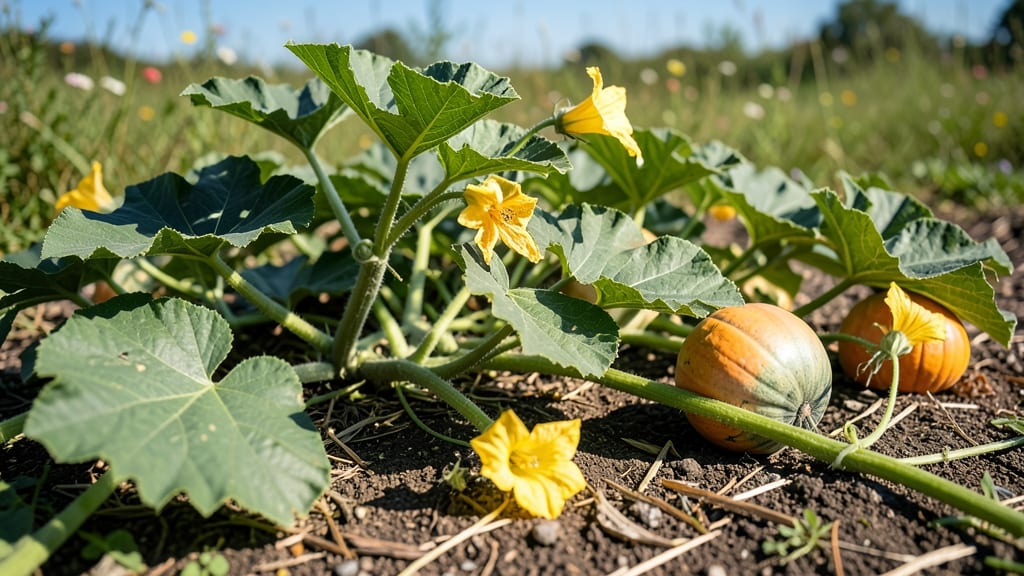
That tiny seed color holds secrets about your pumpkin’s future. 🌱 Green, white, or black seeds aren’t just pretty—they reveal whether your squash is heirloom or hybrid, sweet or savory, and how it’ll grow.
I’ve learned that seed color isn’t just for show; it’s a genetic roadmap to the pumpkin’s personality.
Green seeds, the most common, often mean classic, flavorful varieties like Sugar Pie or Cinderella. White seeds? Those usually belong to sweet, tender-fleshed types like Jack Be Little, while black seeds often signal hard-shelled, long-storing varieties like some winter squashes.
The color even hints at taste—white-seeded types tend to be milder and sweeter.
Saving seeds from different colors lets you preserve exactly what you love. Just remember: if you mix varieties, you might get a surprise color (and flavor) next year. I’ve grown pumpkins where the seeds turned a mix of green and white—turns out, genetics can get playful.
For gardeners, this means you can pick seeds based on what you want to eat, how you’ll store them, or even just how pretty they look in a bowl. The next time you crack open a pumpkin, take a closer look—those seeds are telling a story.
📚 In This Guide
- What you need
- Instructions
- Tips and common mistakes
- Wrapping up and next steps
What you need
- ● Pumpkin seeds (3+ varieties): Green-seeded pumpkins (e.g., Cucurbita pepo or Cucurbita moschata)
- ● White-seeded pumpkins (e.g., Cucurbita maxima)
- ● Black-seeded pumpkins (e.g., Cucurbita argyrosperma)
- ● Growing supplies: Well-draining potting mix (5+ gallons per plant)
- ● Large containers or garden plots (12"+ depth, 36"+ diameter)
- ● Organic compost or fertilizer (balanced 10-10-10 or compost tea)
- ● Observation tools: Notebook or seed journal (for tracking color traits)
- ● Magnifying glass (for close-up seed inspection)
- ○ Digital scale (optional, for seed weight comparisons)
- ● Seed-saving envelopes (for preserving heirloom varieties)
- ● pH test kit (to monitor soil acidity, ideal: 6.0–7.0)
- ● Grow lights (if indoors, 12–16 hours/day)
- ● Pollen transfer tools (paintbrush or cotton swabs for cross-pollination experiments)
- ● Camera or microscope (for documenting seed color mutations)
How to identify and grow pumpkins by seed color
Here's how to match seed color to pumpkin varieties—and why it matters for flavor and growth.
🌱 Step 1: Understand Seed Color Genetics
Pumpkin seed color isn't random—it's tied to genetics. Green seeds (like in most grocery-store pumpkins) come from varieties bred for sweet flesh, while white seeds often signal heirloom types with dense, nutty flavor. Black seeds appear in varieties like 'Muskett' or 'Cinderella,' which store well and have rich, oily kernels.
I always check seed packets for variety names—'Jack-Be-Little' typically has green seeds, while 'Sugar Pie' often shows white. Cross-pollination can mix colors, so save seeds only from isolated plants if you want consistent traits. The seed's outer shell color reflects the pumpkin's flavor profile, not just its rind.
☀️ Step 2: Select Varieties Based on Seed Color
For green seeds, choose varieties like 'Howden' or 'Small Sugar'—these are the classic baking pumpkins with mild, sweet flesh. If you want white seeds, look for 'Long Island Cheese' or 'New England Pie'—these store longer and have a firmer texture. Black seeds? 'Cinderella' or 'Muskett' are my go-tos for carving and roasting.
Seed color doesn’t dictate pumpkin size, but it often hints at growth habits. Green-seeded varieties tend to vine longer, while white-seeded types mature faster. I plant green-seeded pumpkins in late May for a fall harvest, while white-seeded ones go in early June to avoid frost.
💧 Step 3: Grow Conditions for Optimal Seed Development
All pumpkins need full sun (6+ hours daily) and well-draining soil (pH 6.0-7.0), but seed color varieties have slight differences. Green-seeded types thrive in richer soil—amend with compost before planting. White-seeded varieties tolerate leaner soil but need consistent moisture to prevent bitter kernels. Black-seeded pumpkins prefer slightly cooler nights (60-65°F) for best seed development.
Water deeply 2-3 times weekly until vines spread, then reduce to once weekly once fruits form. Overwatering green-seeded types can dilute their sweetness. For black-seeded varieties, let the soil dry slightly between waterings—this concentrates their oil content.
✂️ Step 4: Harvest and Save Seeds by Color
Harvest pumpkins when their stems are 1-2 inches thick and dry to touch. Cut stems with 3-4 inches of vine attached—this prevents rot. For seed saving, scoop out seeds when pumpkins are fully mature (after a light frost for green/white types). Rinse seeds in warm water to remove pulp, then spread them on a tray to dry in sunny, dry conditions (70-75°F) for 5-7 days.
Store dried seeds in paper envelopes (not plastic—they’ll sweat and mold). Label by color and variety. Green seeds stay viable for 2-3 years, while white and black seeds last 3-4 years if kept cool and dry. I always test a few seeds before planting saved batches to confirm germination.
🌿 Step 5: Troubleshoot Color Variations
If your seeds turn gray or spotted, you’ve likely cross-pollinated varieties. To prevent this, isolate pumpkins by 100+ feet or plant only one variety per patch. For pale seeds, the pumpkin may have lacked enough sunlight—move next year’s plants to a sunnier spot. Dark streaks on seeds? That’s normal in heirloom types like 'Muskett'—it’s a sign of rich oil content.
If seeds fail to germinate, check moisture levels—too-dry soil kills embryos before sprouting. I soak seeds overnight in lukewarm water before planting to boost germination rates. For stubborn seeds, try a bottom heat mat (75-80°F) to mimic summer soil temps.
Tips & tricks for perfect pumpkin seed color identification
These practical insights will help you grow pumpkins with the exact seed colors you want—and understand why they matter.
Seed Color Clues: The outer shell color of pumpkin seeds isn't just for show—it's a direct indicator of flavor and storage potential. Green seeds typically come from varieties like 'Howden' that are sweet and perfect for baking, while white seeds often indicate heirloom types with nutty, dense flesh. Black seeds, like those from 'Muskett', signal rich oil content and excellent storage life. I always check seed packets for variety names to confirm what I'm planting—'Jack-Be-Little' usually has green seeds, while 'Sugar Pie' often shows white.
Growing Conditions: While all pumpkins need full sun and well-draining soil, the temperature preferences vary by seed color. Green-seeded varieties thrive in warmer soil (75-80°F) and richer compost-amended beds, while black-seeded types prefer slightly cooler nights (60-65°F) for optimal oil development. I've found that white-seeded varieties tolerate leaner soil but need consistent moisture to prevent bitter kernels. For best results, plant green-seeded pumpkins in late May and white-seeded ones in early June to avoid frost damage.
Harvesting Timing: The right harvest time ensures vibrant seed colors. Wait until stems are 1-2 inches thick and dry to touch before cutting—this prevents rot and ensures seeds develop their characteristic colors. For seed saving, scoop out seeds only after a light frost (for green/white types) when the pumpkin's full maturity triggers maximum color development. I always rinse seeds in warm water to remove pulp, then spread them on a tray in sunny, dry conditions (70-75°F) for 5-7 days of drying—this preserves their natural colors beautifully.
Storage Secrets: Proper storage extends seed viability and maintains color. Store dried seeds in paper envelopes (never plastic—they'll sweat and mold) and keep them cool and dry. Green seeds stay viable for 2-3 years, while white and black seeds last 3-4 years. I always test a few seeds before planting saved batches to confirm germination, and I've noticed that black seeds often show dark streaks—this is normal and indicates rich oil content in heirloom varieties like 'Muskett'.
Pro Tips for Pumpkin Seed Color
- These practical insights will help you grow pumpkins with the exact seed colors you want—and understand why they matter.
- Seed Color Clues: The outer shell color of pumpkin seeds isn't just for show—it's a direct indicator of flavor and st...
- Growing Conditions: While all pumpkins need full sun and well-draining soil, the temperature preferences vary by seed...
Frequently asked questions
Got questions about pumpkin seed color?
You’re not alone! Whether you’re curious about genetics, growing conditions, or how to use them, we’ve got answers. Here are some of the most common questions—and their solutions.
Why do pumpkin seeds come in different colors?
Pumpkin seed color—green, white, black, or striped—is determined by genetics. The Cucurbita species (like C. pepo or C. maxima) carry recessive and dominant genes that influence pigment. For example, white seeds often result from a recessive w gene, while black seeds may have a dominant _B_ gene for dark pigment. Cross-pollination can also create striped or mixed-color seeds!
Can I change pumpkin seed color by growing conditions?
While genetics set the base color, growing conditions can subtly affect seed appearance. Stress (like drought or poor soil) may darken seeds slightly, but it won’t fully alter their genetic color. For true color consistency, focus on healthy soil (pH 6.0–6.8), adequate sunlight (6–8 hours/day), and proper fertilization. If seeds look dull, they might need more zinc or magnesium—key nutrients for vibrant development.
Are white pumpkin seeds sweeter or more nutritious than green or black?
All pumpkin seed colors are nutritious, but their flavor and nutrient profiles vary slightly:
- Green seeds: Earthier, nuttier taste; higher in magnesium and zinc.
- White seeds: Milder, slightly sweeter; often richer in protein and healthy fats.
- Black seeds: Bold, robust flavor; packed with antioxidants (like melatonin) and iron.
For roasting or snacking, white seeds are a crowd-pleaser, while black seeds add depth to savory dishes. Pro tip: Toast them with smoked paprika or maple syrup to enhance natural sweetness!
How do I save seeds from my pumpkin for planting next year?
Saving seeds is easy if you follow these steps:
- Let the pumpkin fully mature (wait until it’s hard and seeds rattle inside).
- Scoop out seeds and rinse them in cool water to remove pulp.
- Dry seeds in a single layer on a paper towel for 3–5 days in a warm, dark place.
- Store in an airtight container in a cool, dry spot (seeds last 3–5 years if kept dry).
Warning: If you want color-consistent seeds next year, plant seeds from the same variety (or hand-pollinate flowers to control crosses).
My pumpkin seeds are pale or spotted—what’s wrong?
Pale, spotted, or shriveled seeds often signal nutritional deficiencies or disease. Common culprits:
- Zinc deficiency: Causes white spots or stunted growth. Fix: Add zinc sulfate to soil or use compost.
- Powdery mildew: Fuzzy white coating on seeds/vines. Fix: Spray with neem oil or baking soda solution.
- Overwatering: Leads to moldy, discolored seeds. Fix: Ensure well-draining soil and water at the base.
If seeds are completely black or mushy, the pumpkin may have bacterial wilt—remove the plant and disinfect tools to prevent spread.
Wrapping up and next steps
Understanding pumpkin seed color isn’t just about aesthetics—it’s a fascinating glimpse into genetics and nature’s diversity! Whether you’re a gardener, breeder, or simply curious, recognizing green, white, or black seeds can help you select the perfect pumpkin variety for your needs. 🌱
Now that you’re armed with this knowledge, why not take the next step? Experiment with growing different pumpkin varieties, observe their seed colors, and even save seeds for future planting. Your garden—and your curiosity—will thank you!