
Lawn
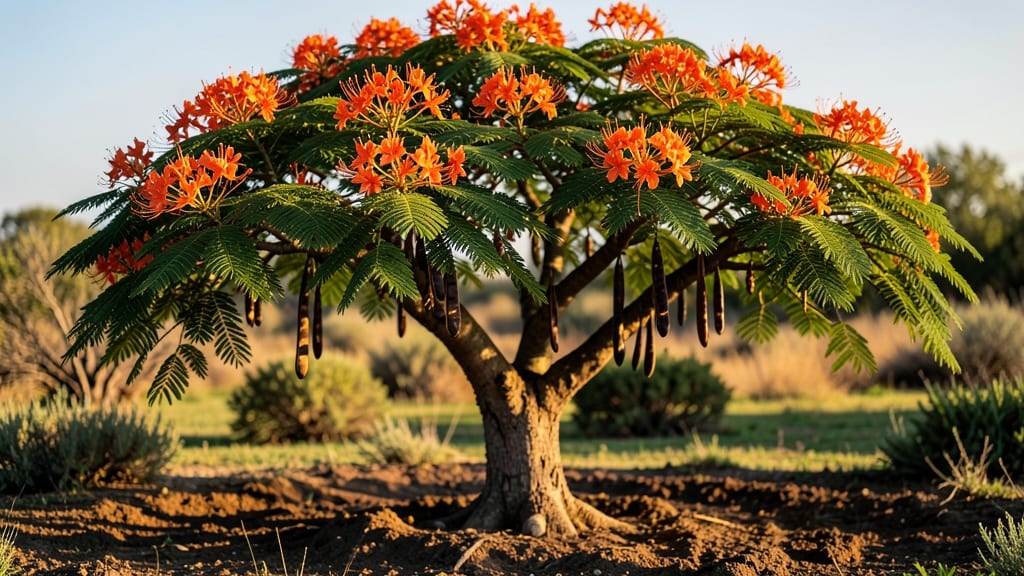
Poinciana tree seed pods hold the key to growing these stunning tropical trees from scratch. 🌿 I've learned the hard way that fresh pods won't germinate without proper dormancy-breaking, but with the right technique, you'll see those first bright green seedlings emerge within 4-6 weeks.
The secret starts with collecting pods that have turned brown and dried on the tree. Once you crack them open, you'll find flat, dark seeds that need a warm soak and cold stratification to break dormancy.
Most gardeners skip this step and end up with months of waiting—or no germination at all. You'll end up with a strong, fast-growing seedling that can handle full sun and drought once established. The first leaves look like ferns, but they quickly transform into the iconic feathery foliage you recognize.
With proper care, your Poinciana will reward you with vibrant orange-red blooms in just 2-3 years. This method works best in warm climates (zones 9-11), but with a heat mat and grow lights, you can start them indoors anywhere.
The payoff is worth the patience—nothing beats watching a Poinciana grow from a tiny seed to a shade-providing giant.
📚 In This Guide
- What you need
- Instructions
- Tips and common mistakes
- Wrapping up and next steps
What you need
- ● Poinciana seed pods: 10–20 fresh, mature pods (harvested in late fall/winter). Pro tip: 💡 Choose plump pods with intact seeds—avoid shriveled or damaged ones!
- ● Scissors or pruning shears: Sharp, sterilized tools for pod opening.
- ● Paper towels or seed-starting paper: 2–3 sheets (for moisture retention).
- ● Spray bottle: Fine mist setting for gentle hydration.
- ● Plastic zip-top bags: 2–3 quart-sized bags (for stratification).
- ● Refrigerator: A cool, dark spot (34–40°F / 1–4°C) for 6–8 weeks.
- ● Seedling trays or small pots: 2–4 (3–4" deep) with drainage holes.
- ● Well-draining potting mix: 1–2 bags (sterile, peat-based blend).
- ○ Heat mat (optional): For bottom warmth (70–75°F / 21–24°C) post-stratification.
- ● Grow lights or sunny windowsill: 6+ hours of indirect light daily.
- ● Hydrogen peroxide (3%): 1 tsp per cup of water for seed disinfection.
- ● Fungicide: To prevent damping-off in seedlings.
- ● Humidity dome: Keeps trays moist during early growth.
- ● pH test kit: Ensure soil pH is 6.0–7.0 for optimal germination.
Step-by-step instructions for germinating Poinciana tree seeds
Here's the method I've used to break dormancy and get these finicky seeds sprouting reliably.
🌱 Step 1: Harvest and Prepare the Seed Pods
Collect mature but still slightly green pods—they should be plump and firm to the touch. Avoid pods that have completely dried and turned brown, as they may not contain viable seeds. Once home, open the pods carefully with a knife or your fingers to reveal the flat, brown seeds inside. Each pod typically contains 3-5 seeds, so you'll need about 4 pods to get your 4 seedlings.
Place the seeds in a bowl of warm water for 24 hours. This softens the tough outer shell and kickstarts the germination process. You'll know the water's warm enough when it's comfortably hot to the touch—like a cup of tea. After soaking, drain the water and let the seeds air-dry on a paper towel for 1 hour to prevent mold.
💧 Step 2: Cold Stratify to Break Dormancy
Poinciana seeds need 6-8 weeks of cold stratification to break their natural dormancy. Mix the dried seeds with a dampened peat moss or coconut coir in a sealed plastic bag. Place the bag in your refrigerator's crisper drawer, where temperatures stay consistently between 35-40°F. Check the mix every 2 weeks—it should feel like a damp sponge, not dripping wet.
This cold treatment mimics winter conditions, tricking the seeds into thinking spring has arrived. You'll see no visible changes during this time, but the seeds are actively preparing to sprout. If you forget to check, don't worry—just ensure the mix doesn't dry out completely, as that can halt the process.
☀️ Step 3: Sow Stratified Seeds in Warmth
After 8 weeks, remove the seeds from cold storage and sow them ½ inch deep in individual 3-inch pots filled with a mix of 50% potting soil and 50% perlite. The perlite ensures excellent drainage, which is critical for these tropical seeds. Water gently until moisture seeps from the drainage holes, then place the pots in a warm, bright location with temperatures between 75-85°F.
I use a seedling heat mat under the pots to maintain consistent warmth. Cover the pots loosely with clear plastic wrap to create a mini greenhouse effect, but leave a small gap for airflow. This helps retain humidity while preventing mold. You'll see the first signs of germination in 2-4 weeks, when tiny green sprouts push through the soil surface.
🌿 Step 4: Provide Care for Emerging Seedlings
Once the seedlings emerge, remove the plastic wrap immediately to prevent damping-off disease, which can rot the delicate stems. Keep the soil consistently moist but never soggy—water when the top ½ inch feels dry. Place the pots under grow lights or in a south-facing window where they receive 6-8 hours of direct light daily. You'll notice strong seedlings develop thick stems and deep green leaves within 6-8 weeks.
Fertilize lightly with a balanced liquid fertilizer diluted to half-strength once the seedlings have their first set of true leaves. Over-fertilizing at this stage can burn tender roots. If you notice any yellowing leaves, reduce watering slightly—Poinciana seedlings are sensitive to overwatering.
⏰ Step 5: Transplant and Harden Off
When seedlings reach 6-8 inches tall and have developed 4-5 sets of leaves, they're ready to transplant into larger 5-gallon containers or their permanent outdoor location. Choose a spot with full sun exposure and well-draining soil. Dig a hole twice as wide as the root ball but only as deep as the container's height to avoid burying the stem too deeply.
Hardening off takes 2 weeks. Start by placing the seedlings outside in a sheltered spot for 2 hours daily, gradually increasing their time outdoors over the course of 10-14 days. Watch for any signs of stress, like wilting or leaf curling—these are signals to slow down the process. Once they're fully acclimated, transplant them into the ground or their final containers, watering deeply to help them establish roots.
Tips & tricks for reliable Poinciana seed germination
These small details make all the difference when working with these stubborn tropical seeds. Here's what I've learned after years of trial and error.
Pod Selection Matters: The pods you choose directly impact your success rate. Look for pods that are still slightly green when you harvest them—they should feel plump and firm, not brittle. I've found that pods that have started to turn brown often contain seeds that won't germinate. If you can't find fresh pods, store them in a paper bag in your fridge for up to 2 weeks to slow the drying process. The fresher the pods, the better your germination rates will be.
Water Temperature Tip: That 24-hour warm water soak is crucial, but the temperature matters just as much as the time. I use water that's about 100°F—hot enough to feel warm to the touch but not scalding. You can test it by dipping your finger in; if it's too hot, let it cool slightly. This warm soak softens the tough seed coat and helps kickstart the germination process. After soaking, that 1-hour air-dry is just as important—it prevents mold from forming during the cold stratification phase.
Stratification Setup: When creating your cold stratification mix, use a ratio of 1 part seeds to 2 parts dampened peat moss or coconut coir. The mix should feel like a damp sponge—squeeze it gently and a few drops should come out, but it shouldn't be dripping wet. I like to use a ziplock bag with small holes punched in the top for airflow. Place it in the crisper drawer of your refrigerator where temperatures stay consistently between 35-40°F. This mimics the natural winter conditions these tropical seeds need to break dormancy.
Germination Timeline: After sowing your stratified seeds, germination typically occurs within 2-4 weeks, but be patient—some seeds may take longer. I've seen germination as late as 6 weeks in particularly stubborn batches. During this time, maintain consistent warmth (75-85°F) and humidity. If you're using a seedling heat mat, keep it on low to medium setting—too much heat can actually inhibit germination. The key is consistency; these tropical seeds need stable conditions to sprout successfully.
Pro Tips for Poinciana Tree Seed Pods
- These small details make all the difference when working with these stubborn tropical seeds. Here's what I've learned...
- Pod Selection Matters: The pods you choose directly impact your success rate. Look for pods that are still slightly g...
- Water Temperature Tip: That 24-hour warm water soak is crucial, but the temperature matters just as much as the time....
Frequently asked questions
Got questions about poinciana tree seed pods? You’re not alone! Here are answers to the most common queries—from timing to troubleshooting—to help you grow these stunning trees with confidence.
How long do poinciana seed pods take to germinate?
Germination can take anywhere from 2 weeks to 3 months, depending on conditions. Pre-soaking pods (24–48 hours) and maintaining warm, moist soil (70–80°F) speeds up the process. Patience is key—some seeds may surprise you by sprouting faster than expected!
When is the best time to plant poinciana seed pods?
Plant pods as soon as they’re ripe (fall/winter in warm climates) or store them in a cool, dry place until spring. Avoid extreme heat or cold, which can reduce viability. If planting in cooler zones, start indoors 8–10 weeks before the last frost for a head start.
What if my poinciana seed pods won’t germinate?
Try these fixes:
- Stratification: Mimic winter by refrigerating pods in damp peat moss for 4–6 weeks.
- Scarification: Lightly nick the pod with sandpaper to break dormancy.
- Warmth check: Use a heat mat (75–85°F) to encourage sprouting.
Can I grow a poinciana tree from a store-bought pod?
Yes! Store-bought pods are often viable, but check for freshness—dry, shriveled pods may not work. Look for plump, slightly leathery pods with intact seams. Soak and plant them like fresh ones, but expect slightly lower success rates than wild-collected seeds.
Are poinciana seed pods toxic to pets or kids?
While the pods themselves aren’t highly toxic, they can cause mild stomach upset if ingested. The tree’s flowers and seeds are safe in moderation, but always supervise children/pets around new plants. If concerned, opt for established trees to avoid accidental nibbling.
Wrapping up and next steps
From soaking to stratification and scarification, you now have the tools and know-how to break dormancy and coax those Poinciana seed pods into thriving saplings! 🌱 Remember, patience is key—these tropical beauties may take time, but the reward of vibrant yellow blooms is worth every step.
Ready to transform those pods into a lush addition to your lawn or garden?
Your next step? Gather your supplies, follow the guide, and watch your green thumb grow—literally! Share your progress or ask questions in the comments below; we’re here to cheer you on. Happy planting! 🌿