
Propagation
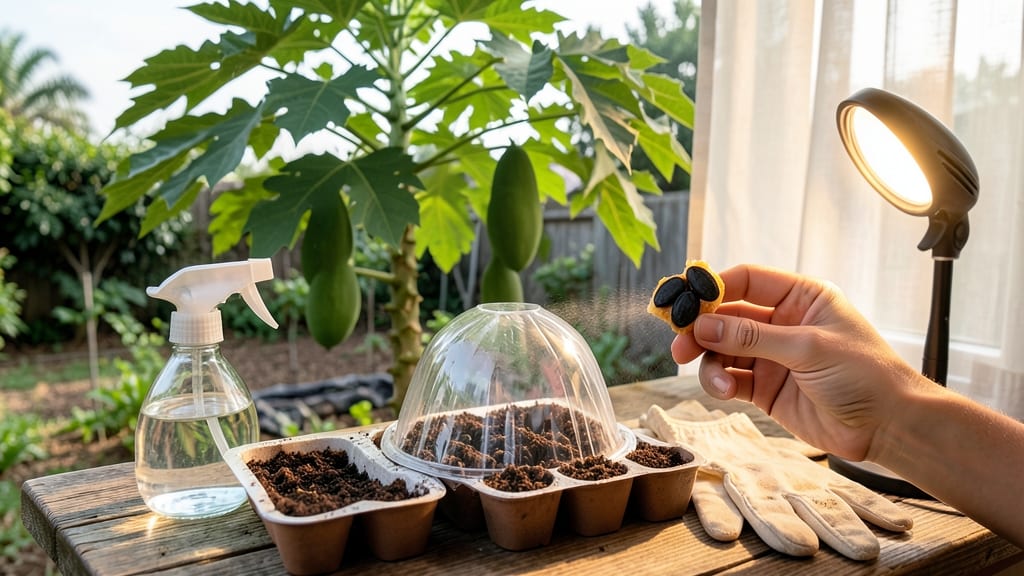
Growing papaya from seed to fruit is one of those gardening adventures that feels like magic—especially when you watch that first orange fruit swell on your vine. 🌱 I’ve grown papayas in my subtropical backyard, and while they need warmth and patience, the process is simpler than most people think.
The key is mimicking their tropical home: bright light, consistent moisture, and just the right amount of coziness (no frost allowed!).
You’ll start with a seed that germinates in about 2 weeks, then nurture a plant that can reach 10-20 feet tall if given space. The real payoff comes 6-12 months later when you’re harvesting sweet, seed-filled fruit straight from your own vine.
It’s not just about the harvest—it’s the thrill of growing something so exotic in your own garden, even if you’re in a small urban space or container.
Here’s the game-changer: papayas are self-pollinating, so no bees or fancy tricks are needed. Just keep the plant warm, water it deeply but not soggy, and watch as those signature fruits develop.
The first harvest might be small, but once you crack the code, you’ll be growing pounds of fruit every season—enough to share with neighbors or make papaya jam. (Yes, I’ve tried that too.)
Fair warning: these plants grow fast, so plan for a large container (at least 15 gallons) or a sunny corner of your yard if you’re in a warm climate.
And if you’re in a cooler zone? Don’t worry—we’ll talk about how to extend the season and protect your papaya from early chills. Let’s get those seeds started!
📚 In This Guide
- What you need
- Instructions
- Tips and common mistakes
- Wrapping up and next steps
What you need
- ● Papaya seeds: 2–5 fresh, viable seeds (harvested from a ripe papaya or purchased from a reputable supplier).
- ● Seed-starting mix: 1–2 cups of sterile, well-draining potting soil (e.g., Miracle-Gro Seed Starting Potting Mix or coconut coir).
- ● Small pots or seed trays: 2–4 biodegradable pots (3–4 inches wide) or a seed tray with cells (1–2 inches deep).
- ● Plastic wrap or humidity dome: To retain moisture during germination.
- ● Spray bottle: For gentle watering (avoid over-saturating seeds).
- ● Fertilizer: A balanced, water-soluble fertilizer (e.g., 10-10-10 NPK) or organic options like fish emulsion or compost tea.
- ● Grow lights or sunny windowsill: Papaya seedlings need 6–8 hours of warm light daily (south-facing window or LED grow lights).
- ● Larger container or garden bed: A 5-gallon pot (12+ inches deep) or a well-draining garden spot in USDA Zones 10–12 (or a greenhouse for cooler climates).
- ● Mulch: Straw or shredded leaves to retain soil moisture and regulate temperature.
- ● Seedling heat mat (70–85°F) to speed up germination.
- ● pH test kit (ideal soil pH: 5.5–6.5 for papayas).
- ● Support stake or trellis (papayas can grow 10–20 feet tall!).
- ● Pruning shears (for shaping the plant as it grows).
- ● Pest control: Neem oil or insecticidal soap (to deter aphids or spider mites).
Step-by-step instructions for growing papaya from seed to fruit
Here’s how I turn papaya seeds into thriving plants that produce sweet, tropical fruit—even in containers.
🌱 Step 1: Start Seeds in Warm, Moist Soil
Papaya seeds need warmth to germinate, so I use a seedling heat mat set to 75-85°F and fill a 4-inch pot with sterile potting mix. Press one seed ½ inch deep into the soil—deeper planting slows germination. Cover lightly with extra mix and mist until the surface feels damp but not soggy.
Place the pot in a plastic bag to trap humidity, then set it on the heat mat. Germination takes 7-14 days, so be patient. Once the seedling’s first true leaves appear (not the initial seed leaves), remove the bag immediately—excess moisture causes rot. I keep the soil consistently moist but never waterlogged, as papayas hate soggy roots.
☀️ Step 2: Move to Bright Light and Warmth
After germination, place your papaya seedling under full-spectrum grow lights for 12-14 hours daily. Papayas crave warmth, so maintain daytime temps above 70°F and nights no cooler than 60°F. A sunny windowsill works, but you’ll see leggy growth if light is insufficient—those thin, pale stems mean it’s time to upgrade to artificial light.
When the seedling reaches 6 inches tall, transplant it into a 1-gallon container with fresh potting mix. Papayas grow fast, so choose a pot with drainage holes. Gently firm the soil around the roots to eliminate air pockets. Water deeply after transplanting, then let the top 1 inch of soil dry before watering again.
🪴 Step 3: Fertilize and Support Growth
Papayas are heavy feeders, so I switch to a balanced liquid fertilizer (10-10-10) diluted to half-strength every 2 weeks once the plant is established. Look for new leaves forming—that’s your cue to start fertilizing. Too much fertilizer burns roots, so always water first to avoid salt buildup.
As the plant grows, it’ll need support. I install a bamboo stake or small trellis when the stem reaches 2 feet tall. Papayas can grow 10+ feet tall, so secure the plant loosely with soft ties. Avoid tight binding—roots need room to breathe. Prune any leggy or weak branches to encourage a sturdy main stem.
🌿 Step 4: Encourage Flowering and Fruit Set
Papayas are dioecious, meaning male and female flowers grow on separate plants. To ensure fruit, I plant 4 seeds in separate pots—this increases the odds of having both genders. Once flowers appear (usually 6-12 months after planting), watch for small, fragrant blooms with a swollen base—those are female flowers.
Hand-pollinate female flowers by gently brushing a male flower’s pollen onto the female’s stigma with a small paintbrush. Do this in the morning when flowers are fresh. After pollination, you’ll see a tiny fruit begin to swell within a week. Remove any unfertilized flowers to direct energy toward fruit development.
⏰ Step 5: Harvest and Care for Future Fruit
Papayas ripen 4-6 months after flowering, depending on variety. Harvest when the fruit feels slightly soft to the touch and the skin turns yellow-orange with a red blush. Twist gently to avoid damaging the stem. Inside, the flesh should be bright orange with black seeds.
After harvest, prune back any dead or overgrown branches to encourage new growth. Papaya plants can produce multiple fruits per season if cared for properly. Save seeds from your best fruit to grow next year’s crop—just let them dry completely before storing in a cool, dark place.
Tips & tricks for growing papaya from seed to fruit
Here's the secret to turning those tiny papaya seeds into fruit-bearing plants—without the guesswork.
Warmth is Non-Negotiable: That 75-85°F heat mat range isn't optional—it's the magic window for germination. If your home stays below 70°F at night, consider a small greenhouse or sunny windowsill with a space heater nearby. I've seen seeds fail to sprout when temps dip below 65°F during germination, so don't skip this step! The plastic bag creates the perfect humidity dome, but remember to remove it immediately after those first true leaves appear to prevent fungal issues.
Lighting Makes All the Difference: Those 12-14 hours of full-spectrum light aren't just recommended—they're essential for preventing leggy seedlings. If you notice your plant stretching toward the light with pale stems, it's already too late for that stage. Start with grow lights if your natural light isn't sufficient, and keep them just a few inches above the plant. You'll notice the leaves will be darker green and more compact when they're getting proper light.
Transplanting Smartly: When moving your 6-inch seedling to its 1-gallon container, handle the roots like you're cradling a baby bird—gentle but firm. The key is to avoid disturbing the root ball while ensuring it sits just below the soil surface. I like to make a small hole with my finger, place the seedling in, then fill around it while gently pressing down. This prevents air pockets that can strangle new roots.
Pollination Hack: For hand-pollination, I've found that using a small, soft paintbrush works better than your finger—it gives you more control and less chance of damaging delicate flower parts. Do this in the morning when flowers are fully open and pollen is fresh. The swollen base of female flowers is your target, and you'll know you've succeeded when you see that tiny fruit swelling within a week. This is where planting multiple seeds pays off!
Pro Tips for Papaya From Seed To Fruit
- Here's the secret to turning those tiny papaya seeds into fruit-bearing plants—without the guesswork.
- Warmth is Non-Negotiable: That 75-85°F heat mat range isn't optional—it's the magic window for germination. If your h...
- Lighting Makes All the Difference: Those 12-14 hours of full-spectrum light aren't just recommended—they're essential...
Frequently asked questions
Got questions about growing papaya from seed to fruit? You’re not alone! Here are some of the most common concerns—plus straightforward answers to help you succeed.
How long does it take for a papaya seed to sprout?
A papaya seed typically sprouts within 7–14 days if kept in warm, moist conditions (70–85°F). Use a heat mat or sunny windowsill to speed things up! Patience is key—some seeds take up to 3 weeks.
Can I grow a papaya indoors, or do I need a garden?
Papayas thrive outdoors in tropical climates, but you can grow them indoors near a sunny window or under grow lights. Just expect smaller yields—outdoor plants (with 6+ hours of sunlight daily) produce fruit faster and more reliably.
Why isn’t my papaya plant flowering or fruiting?
Common culprits: lack of sunlight, cool temperatures (<50°F), or nutrient deficiencies. Papayas need warmth (65°F+) and 12+ hours of light daily. Try fertilizing with a balanced 10-10-10 mix and relocating to a sunnier spot.
Do I need to pollinate papaya flowers by hand?
Most papaya varieties are self-pollinating, but you can gently shake the flowers or use a small brush to transfer pollen for better fruit set. Humidity and wind help too—mist plants lightly on calm days.
Can papaya plants survive frost or cold weather?
Nope! Papayas are tropical and die in temps below <32°F. If you live in a cold climate, grow them in containers and move them indoors during winter. Or try cold-hardy varieties like ‘Solo’ (though yields may be limited).
Wrapping up and next steps
Growing papaya from seed to fruit is a rewarding journey filled with tropical flavors and vibrant colors! 🌱 With the right conditions—warmth, patience, and a little care—you’ll soon enjoy homegrown papayas in as little as 6-12 months.
Whether you’re a beginner or a seasoned gardener, every step brings you closer to harvesting your own sweet, nutritious fruit.
Ready to take the next step? Start by gathering seeds from a ripe papaya and plant them in your prepared soil. Keep nurturing your plant, and soon, you’ll be savoring the fruits of your labor—literally! 🍈💚