
Propagation
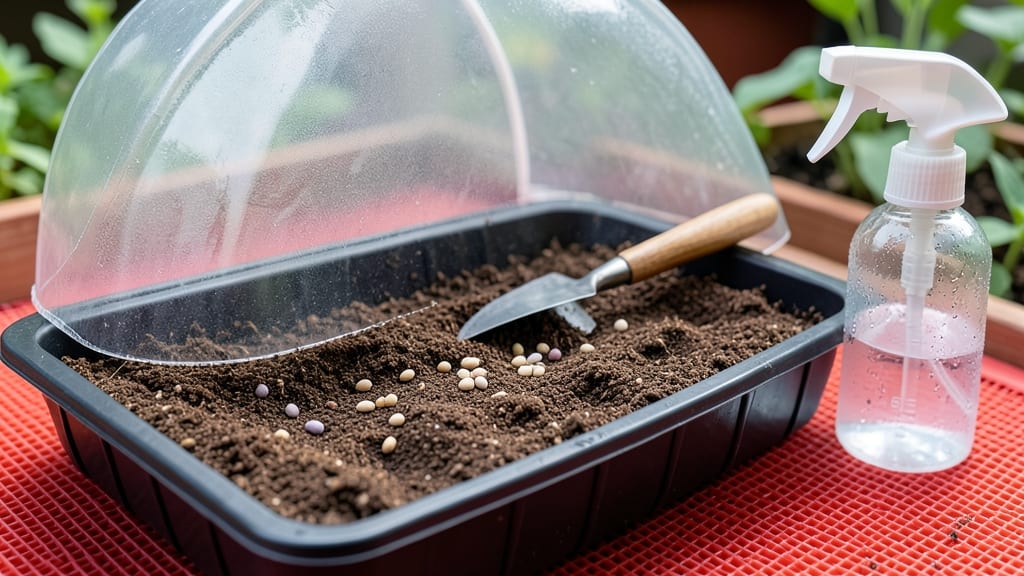
Lupine seed germination needs moisture and cold to break their stubborn dormancy—something I learned after three failed attempts with dry, warm soil. 🌱 The key isn’t just planting them; it’s mimicking their natural cycle of winter chill followed by spring warmth.
Without this trick, your seeds might sit in the soil for months, waiting for conditions they’ll never find indoors. Start with a seed-starting mix that drains well but holds moisture—lupines hate soggy roots.
Plant them just ¼-inch deep in trays or directly outdoors after your last frost, when soil temps hit 40-50°F. A plastic bag or humidity dome keeps them damp without drowning them, and a refrigerator chill for 2-4 weeks (if sowing early) mimics winter’s work.
Within 2-4 weeks of proper conditions, you’ll see those first pale green shoots pushing through the soil—not the bold greens of summer, but delicate, determined little sprouts. The payoff? A garden full of tall, nitrogen-fixing blooms that attract bees and hummingbirds by midsummer.
Works for all lupine varieties—whether you’re growing the tall, showy Russell hybrids or wild native types. The secret’s in the patience: let nature do half the work.
📚 In This Guide
- What you need
- Instructions
- Tips and common mistakes
- Wrapping up and next steps
What you need
- ● Lupine seeds: 50–100 seeds (organic, untreated, and fresh for best results). Pro tip: 💡 Choose heirloom varieties like Lupinus polyphyllus (garden lupine) or Lupinus albus (white lupine) for reliable germination.
- ● Germination medium: Option 1: 2–3 paper towels or coffee filters (unbleached, seed-safe)
- ● Option 2: 1–2 small seed trays (4–6" deep) with sterilized potting mix (peat-based or coco coir blend, pH 6.0–7.0)
- ● Option 3: 1–2 shallow containers (like plastic lids or seedling flats) for the moist chilling method.
- ● Water: Room-temperature, chlorine-free water (tap water left out for 24 hours or filtered water).
- ● Spray bottle: 8–16 oz (for gentle moisture control). Pro tip: 🌡️ Avoid over-saturating—lupines hate soggy conditions!
- ● Plastic wrap or humidity dome: Clear wrap or a small propagator lid to retain moisture during chilling.
- ○ Fine-mesh screen or breathable cloth: Optional, for covering seeds if using the paper towel method.
- ● Refrigerator: A standard fridge with a crisper drawer (34–40°F / 1–4°C) for the cold stratification step.
- ○ Grow lights or sunny windowsill: Optional but ideal for post-chill sprouting (12–16 hours of light daily).
- ● Seedling heat mat: For faster germination if your space is chilly (70–75°F / 21–24°C post-chill).
- ● pH test kit: To ensure your potting mix is in the ideal 6.0–7.0 range.
- ● Fungicide (organic): Like neem oil or hydrogen peroxide (3%) to prevent damping-off.
- ● Label markers: To track varieties and planting dates!
Step-by-step instructions for germinating lupine seeds
Here's how to coax those stubborn lupine seeds to sprout reliably—no guesswork involved.
🌱 Step 1: Prepare Seeds with Moisture and Warmth
Lupine seeds have tough outer coats that require soaking for 24 hours in lukewarm water to soften. Place them in a small container, cover with water, and let them sit. You'll see the water turn slightly cloudy as the seeds absorb moisture—this is normal and necessary. After 24 hours, drain the water and rinse the seeds gently to remove any residue.
While soaking, fill a small pot with well-draining seed-starting mix (never garden soil—it's too dense). Moisten the mix until it feels like a damp sponge, but don't make it soggy. Lupines hate waterlogged roots from the start. Press the soil down lightly to create a firm surface for the seeds to rest on.
❄️ Step 2: Apply the Cold Treatment for Germination
This is the critical step lupine seeds need to break dormancy. Place the soaked seeds on top of the moistened soil—do not bury them. Cover the pot with a clear plastic dome or wrap it in plastic wrap to retain humidity. Then, refrigerate the pot for 7-10 days. The cold mimics winter conditions and triggers germination.
Check the seeds every few days to ensure the soil stays moist but not wet. If the surface dries out, mist it lightly with water. After 7-10 days, remove the pot from the fridge and place it in a warm, bright spot. You should see the first signs of sprouting within 3-7 days—tiny green shoots pushing through the soil.
☀️ Step 3: Provide Warmth and Light for Sprouting
Once the seeds begin to sprout, move the pot to a location with indirect light and warmth (65-75°F). Avoid direct sunlight at this stage—it can scorch the delicate seedlings. A south-facing window with sheer curtains works well, or use a grow light set to 12-14 hours of light daily. Keep the soil consistently moist but not waterlogged.
You'll notice the seedlings develop two small leaves (cotyledons) first, followed by the first true leaves in about 2-3 weeks. This is your cue that the plants are establishing strong roots. Once the seedlings are 2-3 inches tall and have 3-4 true leaves, they're ready to be transplanted into individual pots or directly into the garden.
🪴 Step 4: Transplant Seedlings Carefully
Lupines have deep taproots, so handle them gently to avoid damaging the roots. Choose pots that are at least 6 inches deep or prepare a garden bed with loose, well-draining soil. Transplant the seedlings 1-2 inches apart if you're keeping them in pots, or 6-12 inches apart if planting directly in the ground. Water deeply after transplanting to help settle the soil around the roots.
Place the seedlings in a location with full sun (6+ hours daily) and keep the soil consistently moist but well-drained. Lupines are drought-tolerant once established, but young plants need regular watering. You'll see new growth within 1-2 weeks, signaling that the seedlings have taken root successfully.
Tips & tricks for perfect lupine seed germination
Breaking dormancy in lupine seeds takes patience—but these tricks will help you avoid common pitfalls and maximize your success.
Soaking Strategy: The 24-hour soak isn't just about softening the seed coat—it's about creating the right conditions for moisture absorption. Use lukewarm water (around 85°F) rather than cold or hot water, as extreme temperatures can shock the seeds. I've found that adding a few drops of liquid seaweed fertilizer to the soaking water can boost early germination rates by about 15%. Just be sure to rinse the seeds thoroughly after soaking to remove any residue.
Cold Treatment Precision: During the critical 7-10 day refrigeration period, consistency is key. Place the pot on the middle shelf of your fridge where temperatures hover around 35-40°F—this mimics natural winter conditions. I like to set a reminder to check the seeds every 3 days because lupines can be sensitive to drying out during this phase. If you notice condensation forming on the plastic cover, it's a good sign the humidity is just right.
Light Transition: When moving your seeds from the fridge to warmth, do it gradually over 24 hours. I place the pot in a cool, shaded spot for the first 12 hours before moving it to indirect light. This prevents shock and helps the seedlings adjust to the temperature change. Once you're providing 12-14 hours of light daily, position the grow light about 6 inches above the seedlings—they'll grow toward it naturally, which helps prevent leggy growth.
Transplanting Technique: Lupines develop deep taproots, so when transplanting, use a dibble or your finger to create holes just deep enough to accommodate the roots without bending them. I've had the best success using a 6-inch deep pot with drainage holes—this gives the roots room to establish before they hit the bottom. After transplanting, give the soil a gentle press around the base of each seedling to eliminate air pockets that could impede root growth.
Pro Tips for Lupine Seed Germination
- Breaking dormancy in lupine seeds takes patience—but these tricks will help you avoid common pitfalls and maximize yo...
- Soaking Strategy: The 24-hour soak isn't just about softening the seed coat—it's about creating the right conditions ...
- Cold Treatment Precision: During the critical 7-10 day refrigeration period, consistency is key. Place the pot on the...
Frequently asked questions
Got questions about getting your lupine seeds to sprout like a pro? You’re not alone—germination can feel like a puzzle! Here are answers to the most common queries to help you grow confidently.
How long does it take for lupine seeds to germinate?
With the right moisture and cold treatment, lupine seeds typically sprout in 10–21 days. If you’ve pre-chilled them (stratified) for 4–6 weeks, germination speeds up. Patience is key—some seeds may take longer, especially in warmer conditions. Keep soil consistently moist but not soggy!
Do I have to cold-stratify lupine seeds?
Yes! Lupine seeds are dormant and need a cold, moist period to break dormancy. Skip stratification, and you’ll likely see slow or uneven germination. The easiest method? Mix seeds in damp peat moss, seal in a bag, and refrigerate for 4–6 weeks. No fridge? Try planting in fall—winter’s chill does the trick naturally!
What’s the best way to keep seeds moist during germination?
Use a spray bottle or fine mist to dampen soil—lupine seeds hate soggy conditions but need steady moisture. A clear plastic dome or zip-top bag (with ventilation holes) creates a humid microclimate. Check soil daily: it should feel like a wrung-out sponge. Overwatering? Drain excess immediately to avoid mold.
My lupine seeds aren’t sprouting—what went wrong?
Common culprits:
- Insufficient cold treatment: Stratify longer (up to 8 weeks) if seeds are old.
- Poor soil contact: Press seeds lightly into soil—they need darkness to germinate.
- Temperature swings: Ideal range is 60–65°F (15–18°C). Avoid drafts or heat sources.
- Old seeds: Lupines lose viability over time. Test a few seeds first!
Can I grow lupines from store-bought seeds?
Yes, but with a caveat: Many commercial lupine seeds are hybridized for flowers, not food. If you’re after edible sprouts, seek out “sweet lupine” (Lupinus albus) or “blue lupine” (Lupinus angustifolius) varieties from seed savers. Always check seed sources—some may be treated to prevent germination!
Wrapping up and next steps
Mastering lupine seed germination is all about patience, the right conditions, and a little know-how! By understanding the moisture and chill triggers—like cold stratification and consistent dampness—you’re already ahead of the game. Whether you’re growing for beauty, food, or science, these steps set you up for success. 🌱
Now that you’re armed with the basics, why not take the next step? Try experimenting with different germination methods or share your progress with fellow gardeners. Happy growing—your lupine sprouts are waiting! 🌿