
Pruning
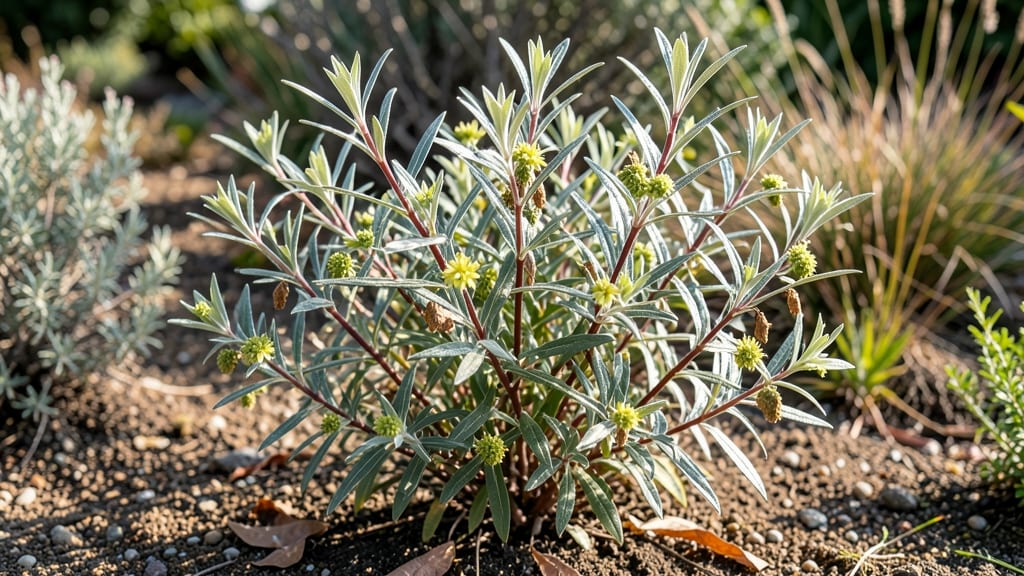
Tucson’s scorching summers and stubborn droughts don’t stand a chance against the hopseed bush—this desert warrior thrives where others wilt. 🌵 I’ve watched mine grow from a scraggly sapling to a lush, low-maintenance hedge that needs watering less than my cactus collection. The secret?
Pruning it right for our high-desert climate. This isn’t your average shrub—it handles 110°F heat, laughs at monsoon downpours, and only flinches at hard freezes below 20°F.
But even tough plants need a little help: prune in late winter to shape it before spring growth kicks in, or trim lightly after summer rains to keep it dense. The key is never removing more than 1/3 of the plant at once—this bush rebounds like a desert spring.
You’ll end up with a pollinator magnet—bees and butterflies adore its tiny yellow flowers—and a plant that stabilizes soil better than mulch. Plus, it’s the only shrub I’ve found that stays green through Tucson’s brutal April winds without needing constant water.
For local sources, check Desert Willow Nursery or the UA Cooperative Extension—they stock varieties perfect for our alkaline soil. Let’s get that bush looking its best!
📚 In This Guide
- What you need
- Instructions
- Tips and common mistakes
- Wrapping up and next steps
What you need
- ● Pruning shears: Bypass pruners (sharp, clean, and sterilized with rubbing alcohol) for small branches.
- ● Loppers: For thicker stems (up to 2 inches in diameter).
- ○ Gloves: Heavy-duty gardening gloves (optional but highly recommended—hopseed sap can irritate skin!).
- ● Disinfectant: 70% isopropyl alcohol or bleach solution (1 part bleach to 9 parts water) to sterilize tools between cuts.
- ● Trash bag or bucket: For collecting pruned branches (compostable if organic).
- ● Watering can or hose: To hydrate the plant post-pruning (Tucson’s dry air works against recovery!).
- ○ Pruning sealant (optional but helpful): For larger cuts to prevent disease (e.g., tree wound paint).
- ● Timing: Prune in late winter or early spring (Jan–Feb) before new growth begins. Avoid pruning during extreme heat (Tucson summers can stress plants!).
- ● Weather: Choose a cloudy day or early morning to minimize sun stress on fresh cuts.
- ● Safety: Wear long sleeves/pants if working near thorny branches (hopseed bushes can be prickly!).
- ● Hand saw: For stubborn, thick branches.
- ● Pruning saw: For precision cuts on larger stems.
- ● Plant food: Slow-release fertilizer (e.g., 10-10-10) to boost recovery.
- ● Mulch: Desert-safe mulch (e.g., gravel or bark) to retain moisture.
Step-by-step pruning guide for desert-resilient hopseed bush in Tucson
Here's how I shape these tough desert shrubs for maximum vigor and flowering—without stressing the plant.
✂️ Step 1: Time Your Pruning for Desert Conditions
Prune your hopseed bush (Dodonaea viscosa) in late winter or early spring—right after the last frost risk has passed but before new growth begins. Tucson's sudden temperature swings can shock the plant if you prune too early, so wait until daytime highs consistently reach 65°F. This timing ensures you're not removing buds that would have bloomed later in the season.
If you must prune in summer, do it before 9 AM to avoid the intense desert sun. The plant will need 3-4 weeks to recover before facing Tucson's peak heat. I always check the weather forecast first—pruning during a predicted rain shower helps the plant recover faster by reducing water stress.
✂️ Step 2: Assess and Remove Dead or Damaged Wood
Start by examining the entire plant for dead, diseased, or crossing branches. Hopseed bush handles pruning well, but removing these first creates space for new growth. Use clean, sharp pruning shears to make cuts at a 45-degree angle just above a leaf node or outward-facing bud. This prevents water from pooling on the cut and reduces the risk of fungal infections in Tucson's humid summer monsoons.
Look for branches that are brown, brittle, or hollow—these won't recover. Also remove any branches growing toward the center of the plant, as they create congestion and reduce airflow. The goal here is to open up the bush so sunlight can reach all parts, which is especially important in Tucson's intense 110°F+ summers.
✂️ Step 3: Shape for Airflow and Sunlight Penetration
Hopseed bush thrives when it gets full sun exposure, so your next step is to thin out the canopy. Focus on selective pruning—remove no more than 25% of the plant's foliage in one session. Start with the oldest stems first, as they produce fewer flowers. Cut back these stems to just above a strong lateral branch or to a leaf node that faces outward.
Step back frequently to visualize the plant's shape. You want a rounded, open structure that allows sunlight to reach the inner branches. In Tucson, where shade is scarce, this ensures even growth and flowering. Avoid heavy pruning—hopseed bush responds better to light, strategic cuts than to aggressive shaping. If you're unsure, err on the side of leaving more foliage.
✂️ Step 4: Encourage New Growth with Strategic Cuts
To promote bushier growth, make heading cuts on the remaining branches. These are cuts made just above a leaf node or bud, which encourages the plant to branch out. For hopseed bush, I like to cut back one-third of the current season's growth on the strongest stems. This stimulates new lateral shoots that will fill out the plant and produce more flowers.
Pay special attention to the tips of branches—these are where the most vigorous growth occurs. Pruning them back signals the plant to redirect energy into side branches, creating a denser, more resilient bush. After pruning, the plant may look sparse for a few weeks, but within 4-6 weeks, you'll see fresh green growth emerging from the cut areas.
💧 Step 5: Post-Pruning Care for Desert Recovery
After pruning, water deeply but infrequently—this encourages deep root growth, which is crucial for desert resilience. Give the plant 1-2 inches of water per week, depending on Tucson's heat. Avoid overhead watering, as wet foliage can lead to fungal issues. Instead, water at the base of the plant in the early morning to allow foliage to dry quickly.
Apply a light layer of mulch (like 1-2 inches of gravel or bark) around the base to retain moisture and regulate soil temperature. This is especially important in Tucson, where soil can heat up to 140°F in direct sun. Avoid piling mulch against the trunk, as this can trap moisture and cause rot. Monitor the plant closely for the first 2-3 weeks—if new growth appears yellow or wilted, it may need more water or protection from the sun.
Tips & tricks for perfect desert-resilient hopseed bush pruning
These desert-specific strategies will help you prune your hopseed bush like a local—without stressing the plant or your patience.
Timing is Everything: The late winter/early spring window is critical because Tucson's temperature swings can shock the plant if you prune too early. I've learned the hard way—wait until daytime highs hit 65°F consistently before cutting. This ensures you're not removing potential flower buds that might bloom later. For summer pruning, that before 9 AM rule is non-negotiable—the midday sun at 110°F+ can fry fresh cuts.
Tool Precision Matters: Invest in a pair of bypass pruning shears rather than anvil shears—they make cleaner cuts that heal faster. Always sterilize your tools with rubbing alcohol between cuts to prevent spreading fungal spores, especially important in Tucson's humid monsoon season. I keep a small bottle of alcohol in my gardening toolkit for this exact purpose. The 45-degree angle cut just above a leaf node is key—it prevents water pooling that leads to rot.
Visual Pruning Guide: When shaping, imagine your plant as a dome. Remove any branches growing toward the center—they'll create congestion and reduce airflow. For the 25% foliage limit, I use the "quarter rule": divide your plant into four visual sections and remove no more than one section's worth of growth. This maintains that rounded structure while allowing sunlight penetration to every part of the bush.
Post-Pruning Recovery Hack: After cutting, I always apply a light layer of sulfur powder to the fresh cuts—it acts as a natural fungicide and helps prevent infections in Tucson's dry heat. Then I water deeply at the base in the morning, which gives the plant a hydration boost before the sun peaks. The 1-2 inch mulch layer is non-negotiable—it's like giving your plant a desert survival blanket against that 140°F soil.
Pro Tips for Hopseed Bush Tucson
- These desert-specific strategies will help you prune your hopseed bush like a local—without stressing the plant or yo...
- Timing is Everything: The late winter/early spring window is critical because Tucson's temperature swings can shock t...
- Tool Precision Matters: Invest in a pair of bypass pruning shears rather than anvil shears—they make cleaner cuts tha...
Frequently asked questions
Got questions about keeping your Dodonaea viscosa (hopseed bush) thriving in Tucson’s desert climate? Here are some common ones—and their answers—to help you prune like a pro:
When is the best time to prune my hopseed bush in Tucson?
The ideal time is late winter or early spring (February–March) before new growth starts. Avoid pruning during extreme heat or drought—this plant is tough but benefits from a gentle touch when conditions are mild. Pro tip: If you must prune in summer, do it early morning or late evening to reduce stress from heat and sun exposure.
How much can I trim back my hopseed bush without harming it?
You can safely prune up to one-third of the plant’s height in a single session. For mature bushes, light annual pruning (10–20%) promotes bushier, denser growth. Warning: Avoid over-pruning—this evergreen relies on its foliage for shade and moisture retention in the desert. Think of it like a haircut: shape it, don’t shear it!
Why is my hopseed bush dropping leaves after pruning?
This is normal if you pruned during hot or dry periods. The plant conserves water by shedding leaves, but it should recover in 2–4 weeks. To help, water deeply after pruning and avoid fertilizing until new growth appears. If defoliation is severe or persistent, check for pests (like spider mites) or root rot—common in overwatered desert plants.
Can I propagate hopseed bush from cuttings? If so, how?
Take 4–6 inch semi-hardwood cuttings in spring or early summer. Dip the cut end in rooting hormone (optional but helpful), then plant in a mix of perlite and cactus/succulent soil. Keep the soil lightly moist (not soggy) and place in partial shade until roots form (4–8 weeks). Once established, transplant to your garden—it’s drought-tolerant but loves Tucson’s sun!
Are there alternatives to hopseed bush for Tucson’s desert landscape?
If you love low-maintenance, resilient plants, consider:
- Desert Willow (Chilopsis linearis): Drought-tolerant with stunning flowers.
- Texas Sage (Leucophyllum frutescens): Silver foliage and purple blooms after rain.
- Agave or Yucca: Zero-fuss succulents that thrive in heat.
Wrapping up and next steps
Pruning your hopseed bush (Dodonaea viscosa) in Tucson isn’t just about aesthetics—it’s a game-changer for its health and resilience in the desert climate. 🌵 By mastering the right techniques, you’ll encourage vibrant blooms, stronger growth, and even better drought tolerance.
Whether you’re trimming for shape, rejuvenating an overgrown bush, or prepping for winter, every snip brings you closer to a thriving, low-maintenance plant.
Ready to take the next step? Grab your pruners and schedule your first session during Tucson’s cooler months (November–February) for optimal results. Still have questions? Dive back into our FAQs, or snap a photo of your bush and tag us—we’d love to see your progress! 🌟