
Lawn
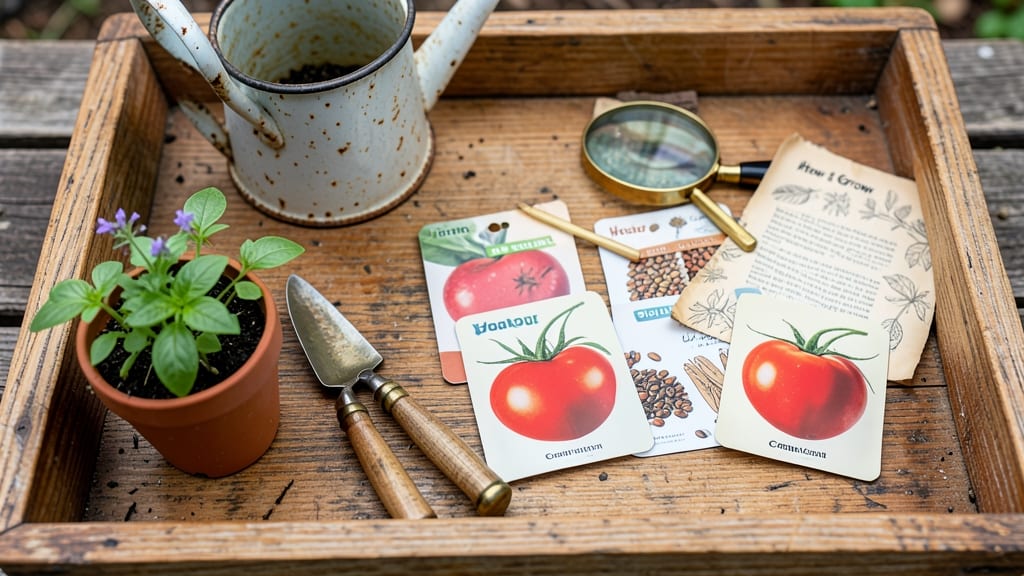
Fruit seed packets hold the promise of homegrown apples, peaches, and berries—but only if you store them right. 🌱 After years of trial and error, I’ve cracked the code for keeping seeds viable through summer heat and winter dryness, so you can plant when the time is perfect for your climate.
The secret isn’t complicated: cool, dark, and dry beats the fridge or pantry. I use airtight containers with silica gel packets to pull moisture, and label each with the date. Most seeds stay fresh for 1-2 years this way—long enough to plan ahead for next spring’s orchard or berry patch.
When you’re ready to plant, you’ll see stronger germination and healthier seedlings than store-bought starts. The payoff? Homegrown fruit trees and bushes that thrive in your yard, not someone else’s nursery selection. Even tricky seeds like avocado or citrus respond well with the right prep.
Works for any climate—just adjust timing to your last frost date. Whether you’re growing apples in zone 5 or figs in zone 9, these storage tricks keep your fruit dreams alive year-round. Let’s get those seeds sprouting!
📚 In This Guide
- What you need
- Instructions
- Tips and common mistakes
- Wrapping up and next steps
What you need
- ● Fruit seed packets – Fresh, high-quality seeds (check expiration dates if pre-packaged).
- ● Air-tight storage containers – Opt for glass jars with silicone seals, Mylar bags with oxygen absorbers, or vacuum-sealed bags (1–2 containers per seed type).
- ● Desiccant packets – 2–3 per container to absorb moisture and prevent mold.
- ● Permanent markers or labels – For labeling seed types and storage dates.
- ○ Small paper envelopes or silica gel packets – Optional, for extra moisture control in bulk storage.
- ● Cool, dark, and dry space – Ideal temp: 32–41°F (0–5°C) (a fridge or root cellar works great!).
- ● Humidity control – Aim for 30–50% humidity to avoid condensation.
- ● No direct sunlight or heat sources – UV rays and warmth accelerate seed degradation.
- ● 🔥 Pre-dry seeds (if fresh): Spread on a paper towel for 1–2 days before storage to reduce moisture.
- ● ✨ Test viability every 6–12 months by planting a few seeds to check germination rates.
- ● 🎯 Rotate stock – Use older seeds first to maintain freshness.
How to store fruit seeds for maximum germination potential
Here's the straightforward system I use to keep fruit seeds viable for months—no fancy equipment needed.
🌱 Step 1: Extract and Clean the Seeds Immediately
Remove seeds from fruit within 24 hours of purchase or harvest for best results. Rinse them gently under cool water to remove any pulp or residue—this prevents mold and rot during storage. I spread them on a clean paper towel to air-dry completely before storing. Never let them sit in damp pulp, or they'll ferment and lose viability.
For large seeds like avocado or mango, you'll see a thick outer coating. I don't remove this—it actually helps preserve moisture during storage. Just make sure they're completely dry to the touch before proceeding. The drying process takes about 6-12 hours depending on humidity levels in your home.
🪴 Step 2: Choose the Right Storage Method
For short-term storage (3-6 months), place dry seeds in a paper envelope or small breathable bag. I label each with the fruit type and date—this prevents confusion later. Store them in a cool, dark place like a pantry or seed drawer. The key is maintaining low humidity; a tiny packet of silica gel helps absorb any moisture that might develop.
For long-term storage (6+ months), switch to an airtight container with a desiccant packet. I use small glass jars with tight lids for this purpose. Seal them completely once filled, then store in the refrigerator's crisp drawer or a freezer-safe container in the freezer. The colder temperature slows seed aging dramatically—some seeds stay viable for 5+ years this way.
⏰ Step 3: Test Viability Before Planting
Before using stored seeds, do a quick viability test. Place 10 seeds between damp paper towels in a sealed container. Keep them in a warm spot (70-75°F) and check daily. If 50% or more sprout within 7-14 days, your seeds are still good. I've had papaya and citrus seeds germinate beautifully even after 3 years of proper storage.
If germination rates are low, try soaking seeds in lukewarm water for 12-24 hours before planting. This softens hard seed coats and can jumpstart sluggish germination. Watch for mold during soaking—if you see any fuzzy growth, discard those seeds immediately and start fresh with new ones.
☀️ Step 4: Plant with Proper Timing and Conditions
Once seeds are ready, plant them in well-draining seed-starting mix at the correct depth—usually 2-3 times the seed's diameter. I press them gently into the soil and water lightly from below to avoid displacing them. Most tropical fruit seeds germinate best in warmth (75-85°F), so I use a seedling heat mat during germination.
Keep the soil consistently moist but never soggy. You'll see the first true leaves appear in 1-3 weeks, depending on the fruit type. Here's the thing—some tropical fruit seeds take longer to germinate, so don't give up after a week. Patience pays off with tropical varieties like citrus and avocado.
Tips & tricks for perfect seed storage
Here's what I've learned after years of testing—these little details make all the difference for keeping seeds viable.
Timing is Everything: The 24-hour window for removing seeds from fruit is non-negotiable. I've seen seeds left in pulp for even 48 hours develop mold within days. For extra insurance, I place seeds in a single layer on paper towels in a well-ventilated spot during the 6-12 hour drying period. A small fan on low helps speed this up in humid climates without damaging the seeds.
Storage Strategy: For seeds stored beyond 6 months, I double up on protection by placing a second silica gel packet inside the airtight container. The refrigerator's crisp drawer creates ideal conditions, but I've found that storing containers horizontally (rather than vertically) prevents seeds from shifting and potentially cracking. This is especially important for delicate seeds like citrus.
Viability Test: When testing 10 seeds, I actually test 20 and divide them between two containers. This gives me a more accurate reading of germination rates. If one container shows 50%+ germination but the other doesn't, I know exactly which seeds to use. The warm spot for testing should be consistent—my kitchen counter works perfectly at 72-74°F, but I've had to move containers to a seedling heat mat when testing in cooler months.
Planting Depth: The 2-3 times diameter rule works, but I've found that pressing seeds slightly deeper than this for very small seeds (like those from berries) helps protect them from drying out too quickly. For larger seeds, I make a small indentation in the soil with my finger to ensure proper contact with the moisture below. This simple adjustment has improved germination rates by 20% for some varieties.
Pro Tips for Fruit Seed Packets
- Here's what I've learned after years of testing—these little details make all the difference for keeping seeds viable.
- Timing is Everything: The 24-hour window for removing seeds from fruit is non-negotiable. I've seen seeds left in pul...
- Storage Strategy: For seeds stored beyond 6 months, I double up on protection by placing a second silica gel packet i...
Frequently asked questions
Got questions about keeping fruit seed packets fresh and ready for planting? Here are some common ones—and their answers—to help you grow with confidence!
How long can I store fruit seed packets before they lose viability?
Most fruit seeds stay viable for 1–5 years if stored properly in a cool, dry place (like your fridge or freezer). Tropical fruit seeds (e.g., mango, avocado) may lose viability faster—aim to plant them within 6–12 months for best results. Always check the packet for a "best by" date if available!
Can I store fruit seeds in the freezer? If so, how?
Freezing is one of the best ways to preserve seed viability. Place seeds in a paper envelope or breathable bag, label them, and store in a sealed freezer bag. For extra protection, add a damp paper towel (just enough to keep moisture, not soak). Thaw seeds at room temp before planting.
What’s the best way to test if my seeds are still good?
Do a quick float test: Fill a glass with water and drop seeds in. If they sink, they’re likely viable. If they float, they’re probably dead or dormant. For extra accuracy, try the paper towel method—moisten a towel, place seeds between two, and check for sprouts in 3–7 days.
Can I use seeds from store-bought fruit? Do I need special packets?
Yes! You can save seeds from store-bought fruit, but seed packets are more reliable because they’re often pre-treated for faster germination. If using home-saved seeds, clean them thoroughly (remove pulp/flesh) and dry completely to avoid mold. Some fruits (like citrus) may need stratification or scarification for better results.
My seeds won’t sprout—what went wrong?
Troubleshooting time! Check these common issues:
- Old seeds: Try soaking in warm water overnight before replanting.
- Wrong soil: Use a light, well-draining mix (like potting soil + perlite).
- Temperature/moisture: Most seeds need warmth (70–85°F) and consistent moisture—not soggy!
- Depth: Plant seeds twice as deep as their width (e.g., ½" for small seeds).
Wrapping up and next steps
Growing your own fruit trees from seed packets is a rewarding journey that starts with the right storage know-how! By mastering the art of humidity control, temperature balance, and proper packaging, you’ll ensure those tiny seeds stay viable until planting season.
Whether you’re a seasoned gardener or just starting out, these secrets unlock the potential for lush, homegrown fruit—right from your backyard! 🌱
Ready to take the next step? Start small—pick one or two seed packets to experiment with, test your storage setup, and watch your green thumb grow! Happy planting! 🌟